



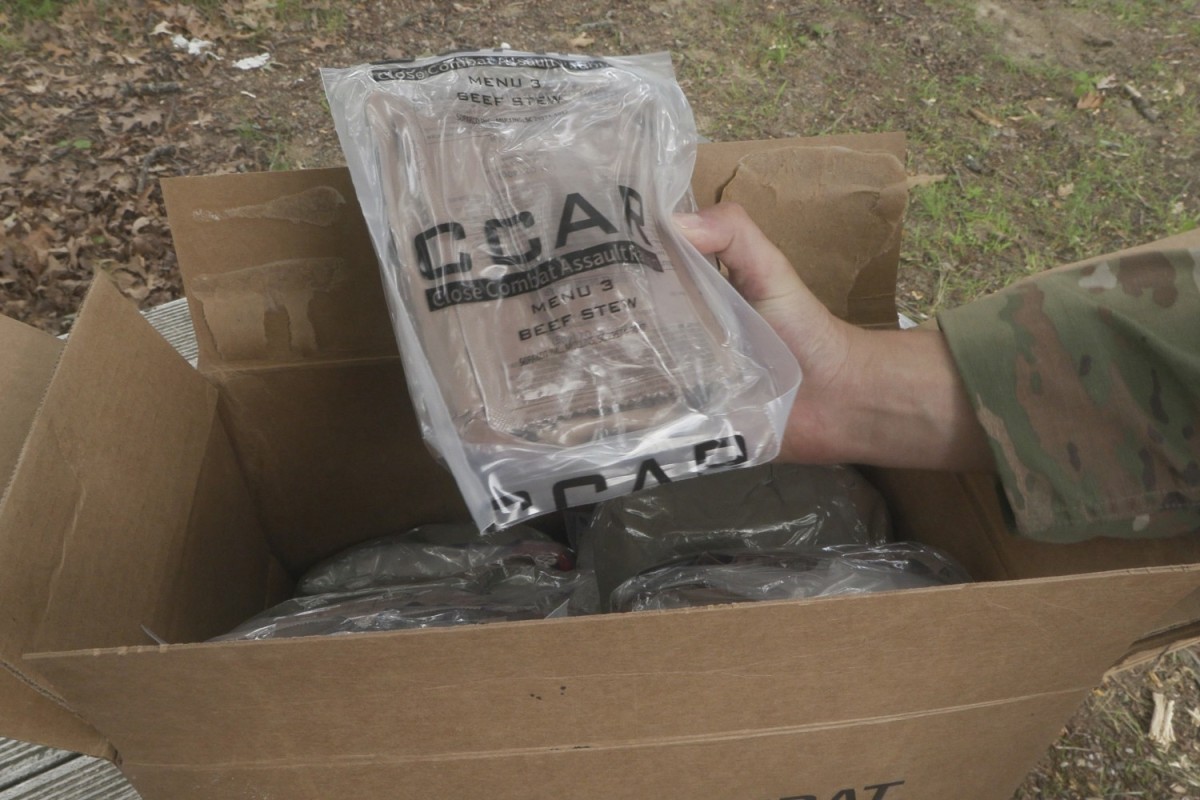
Ask anyone who has eaten an MRE and the conversation eventually turns to taste. Some describe the meals as surprisingly good, others as bland or overly processed. These reactions are not accidental. The flavor of an MRE is the result of deliberate engineering choices made to satisfy shelf stability, safety, and logistics long before culinary refinement.
Understanding why MREs taste the way they do requires abandoning restaurant expectations and examining how retort cooking, ingredient selection, and long-term storage constraints shape flavor outcomes.
Retort Cooking Changes Food at a Chemical Level
MRE entrées are cooked and sterilized inside sealed retort pouches using high heat and pressure. This process destroys pathogens and enzymes, ensuring shelf stability for years. However, high-temperature processing alters proteins, starches, and fats. Textures soften, flavors mellow, and volatile aromatics are reduced. These changes are unavoidable trade-offs for safety and longevity.
Why Sauces Dominate MRE Menus
Sauces perform exceptionally well under retort conditions. They retain moisture, mask texture changes, and distribute flavor evenly after processing. This is why many MRE entrées feature gravies, stews, curries, or pasta sauces. Dry foods tend to suffer more noticeable degradation after retort processing.
Salt, Fat, and Flavor Stability
Salt and fat are not just flavor enhancers in MREs—they are stabilizers. Salt suppresses bitterness and enhances muted flavors after heat processing. Fats carry flavor compounds and improve mouthfeel, compensating for texture softening caused by retort cooking. Balancing these elements is essential for maintaining acceptable taste over long storage periods.
Why MREs Can Taste “Flat”
Fresh foods rely heavily on volatile aroma compounds released during cooking. Many of these compounds do not survive retort processing. As a result, MREs may lack the aromatic complexity of freshly cooked meals, leading to perceptions of blandness even when seasoning levels are adequate.
Menu Fatigue and Perception
Taste perception is influenced by context. Eating the same meals repeatedly under stress reduces perceived palatability. This is why menu variety and periodic updates are critical, even if individual recipes are nutritionally sound.
Heating Improves Perceived Flavor
Warm food releases more aroma and improves texture perception. Even modest heating significantly improves MRE acceptability. This explains why flameless ration heaters are valued despite their limitations.
Why Civilian Expectations Differ
Civilians often evaluate MREs against home-cooked meals rather than survival food. This mismatch leads to disappointment when expectations are unrealistic. Civilian MRE manufacturers often adjust seasoning and texture profiles to better align with consumer expectations while maintaining shelf stability.
Civilian MREs and Flavor Optimization
Preparedness-focused suppliers such as Meal Kit Supply design civilian MREs with an emphasis on palatability, variety, and consumer feedback, while still using retort technology for long shelf life.
Understanding the Trade-Off
MRE flavor reflects a deliberate compromise between safety, durability, and acceptability. They are not designed to impress—they are designed to endure. When judged on those terms, their flavor makes sense.
Sources & References
- Institute of Food Technologists – Flavor Changes During Thermal Processing
https://www.ift.org/news-and-publications/food-technology-magazine/issues/2018/july/features/flavor-changes-thermal-processing
- U.S. Army Natick Soldier Systems Center – Sensory Evaluation of Operational Rations
https://apps.dtic.mil/sti/pdfs/ADA345187.pdf
- Journal of Food Science – Effects of Retort Processing on Texture and Flavor
https://ift.onlinelibrary.wiley.com/doi/10.1111/1750-3841.14467
- U.S. Army Research Institute of Environmental Medicine – Menu Acceptance and Consumption
https://apps.dtic.mil/sti/pdfs/ADA476456.pdf
- Food Quality and Preference Journal – Consumer Perception of Shelf-Stable Meals
https://www.sciencedirect.com/science/article/pii/S0950329318301656