



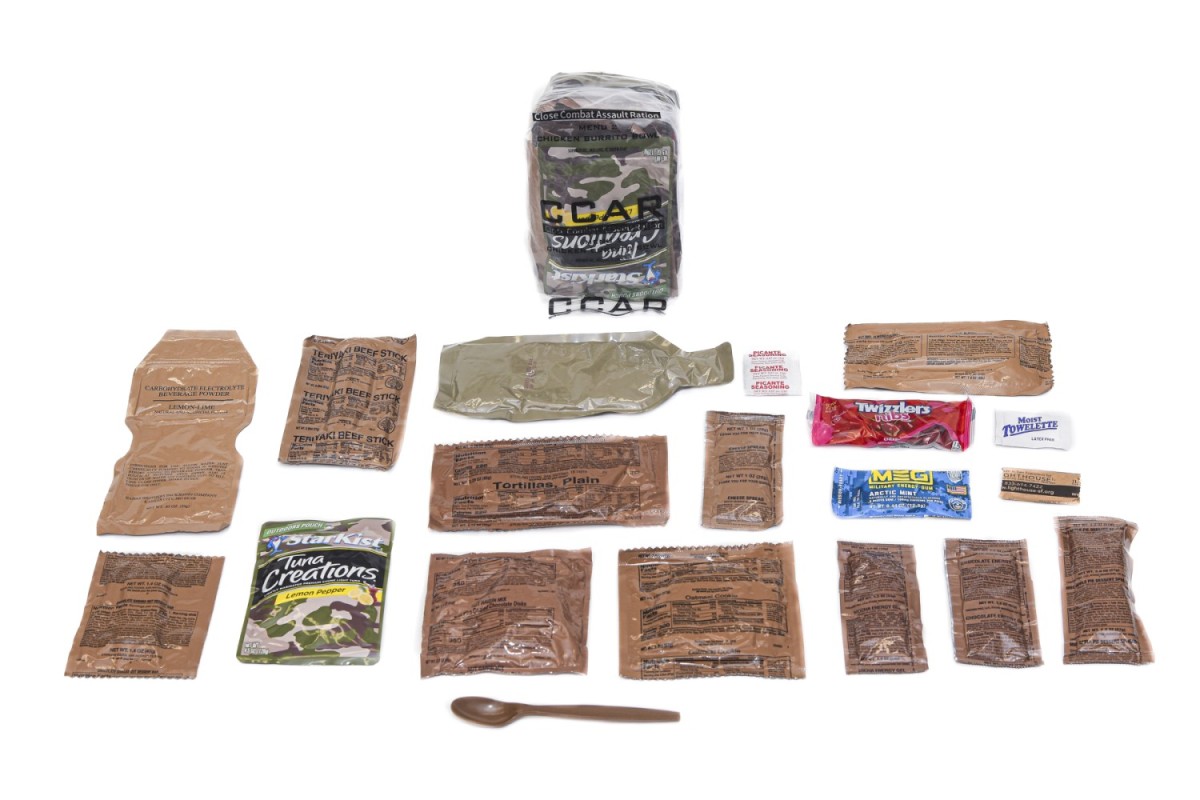
Meals, Ready-to-Eat occupy a prominent place in emergency planning conversations. Their long shelf life, portability, and readiness make them an appealing solution for uncertain situations. However, MREs are often misunderstood as a complete answer to emergency nutrition.
In reality, MREs are powerful tools when used appropriately—and limiting when used incorrectly. Effective emergency planning requires understanding both their strengths and their boundaries.
What MREs Are Exceptionally Good At
MREs excel in scenarios where conventional food systems fail or cannot be relied upon. They are particularly effective for:
- Short- to medium-term emergencies
- Evacuation and displacement scenarios
- Situations without cooking infrastructure
- Rapid deployment and mobility
Their self-contained nature allows them to be used immediately without preparation.
Reliability Under Uncertainty
MREs are designed to function when logistics are unstable. They do not depend on refrigeration, utilities, or external fuel. This reliability makes them valuable during the initial phase of emergencies, when disruption is greatest.
What MREs Are Not Designed For
MREs are not intended to serve as a sole long-term diet under normal conditions. Extended reliance without supplementation can lead to:
- Menu fatigue
- Digestive discomfort
- Nutritional imbalance over time
They are optimized for survival and performance, not culinary variety.
Why Variety Matters in Emergencies
Psychological stress reduces appetite. Eating the same meals repeatedly compounds this effect. Emergency food plans should include a mix of food types to maintain morale and intake.
MREs as Part of a Food System
The most resilient emergency plans treat MREs as one component of a layered food strategy. This may include:
- Shelf-stable pantry foods
- Freeze-dried meals
- Comfort foods and snacks
Each category addresses different needs and time horizons.
Water Planning Cannot Be Separated
Food planning without water planning is incomplete. MREs reduce water needs for preparation but do not eliminate hydration requirements. Water storage must scale with food storage.
Adapting Plans to Realistic Scenarios
Emergency planning should be scenario-driven rather than product-driven. Evacuation, shelter-in-place, and regional disasters place different demands on food systems.
Civilian MREs and Preparedness Strategy
Civilian MREs are often better suited to household emergency planning than military-issued meals. Preparedness suppliers such as Meal Kit Supply design civilian MREs specifically for lawful ownership, clarity, and integration into broader preparedness plans.
Right Tool, Right Role
MREs are not a silver bullet—but they are a powerful tool when used for the right purpose. Understanding their role prevents overreliance and maximizes effectiveness.
Sources & References
- FEMA – Emergency Food Planning Guidance
https://www.ready.gov/food
- CDC – Emergency Preparedness and Nutrition
https://www.cdc.gov/nutrition/emergencies-disasters/index.html
- FAO – Food Security in Emergencies
https://www.fao.org/3/i3433e/i3433e.pdf
- Institute of Food Technologists – Emergency Food Systems
https://www.ift.org/news-and-publications/food-technology-magazine/issues/2019/january/features/emergency-food
- USDA – Household Food Security and Emergency Planning
https://www.usda.gov/media/blog/2019/09/23/building-household-food-security