



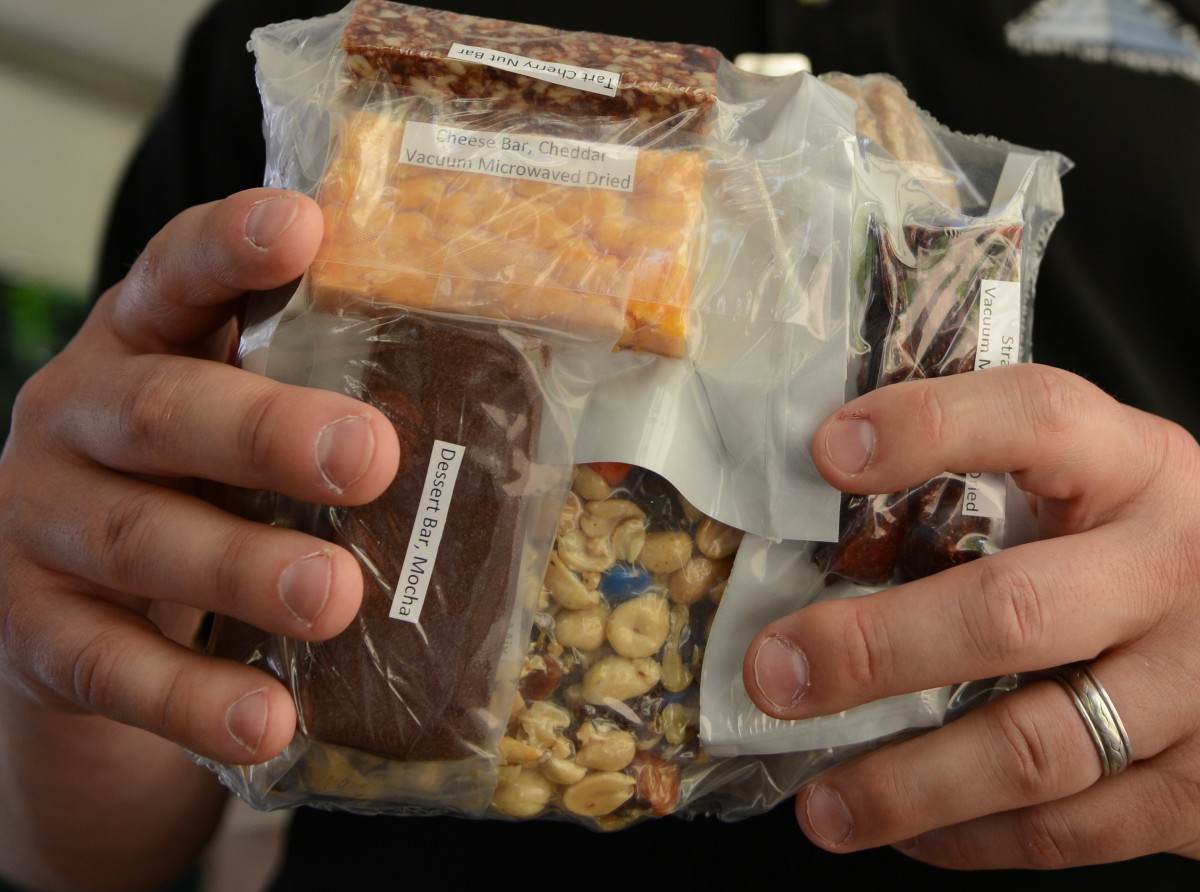
Long-term food storage is often discussed as a binary question: does it last or does it not? Meals, Ready-to-Eat complicate that framing. MREs are designed to last, but longevity is not a guarantee—it is the result of storage discipline, realistic expectations, and proactive rotation. Understanding how MREs behave over long periods helps prevent both false confidence and unnecessary waste.
What “Long-Term Storage” Actually Means
In preparedness contexts, long-term storage does not mean indefinite storage. It means maintaining food quality and safety across an extended but finite time horizon. MREs are engineered to support multi-year storage, not lifetime hoarding.
Rotation Is Not Optional
Even under ideal conditions, food quality changes over time. Rotation ensures that older meals are consumed first and replaced with fresh inventory. A simple first-in, first-out approach dramatically reduces risk and improves reliability.
Environmental Risk Factors
The biggest threats to long-term MRE storage are environmental:
- Heat exposure
- Moisture intrusion
- Physical damage
- Temperature cycling
Each factor compounds degradation and shortens usable life.
Why “Set and Forget” Fails
Storing MREs and ignoring them for a decade invites disappointment. Labels fade, storage conditions change, and assumptions become outdated. Periodic inspection is essential for maintaining readiness.
How to Inspect Stored MREs
Inspection does not require opening meals. Visual checks include:
- Case condition and dryness
- Absence of swelling or leakage
- Evidence of heat exposure
Any compromised packaging should be removed immediately.
Realistic Shelf-Life Planning
Preparedness planning benefits from conservative assumptions. Planning for shorter shelf life than theoretical maximums builds resilience. This approach ensures usable food when it is actually needed.
Balancing Quantity and Quality
More food is not always better food. Excess inventory stored poorly may be less useful than a smaller quantity stored well and rotated regularly. Preparedness is about reliability, not volume.
Civilian MREs and Storage Guidance
Civilian MRE manufacturers often provide clearer storage and rotation guidance tailored to household conditions. Preparedness-focused suppliers such as Meal Kit Supply emphasize realistic shelf-life expectations and rotation practices to support dependable long-term storage.
Preparedness Is an Ongoing Process
Long-term storage succeeds when it is treated as a system, not a one-time purchase. MREs reward attention and punish neglect.
Sources & References
- Defense Logistics Agency – Shelf-Life Management Program
https://www.dla.mil/InformationOperations/LogisticsInformationServices/ShelfLife/
- FEMA – Emergency Food and Water Storage Guidance
https://www.ready.gov/food
- Institute of Food Technologists – Shelf-Life Determination and Storage Risk
https://www.ift.org/news-and-publications/food-technology-magazine/issues/2016/october/features/shelf-life
- FDA – Storage, Handling, and Food Safety
https://www.fda.gov/food/buy-store-serve-safe-food
- FAO – Food Storage and Loss Prevention
https://www.fao.org/3/i3347e/i3347e.pdf