



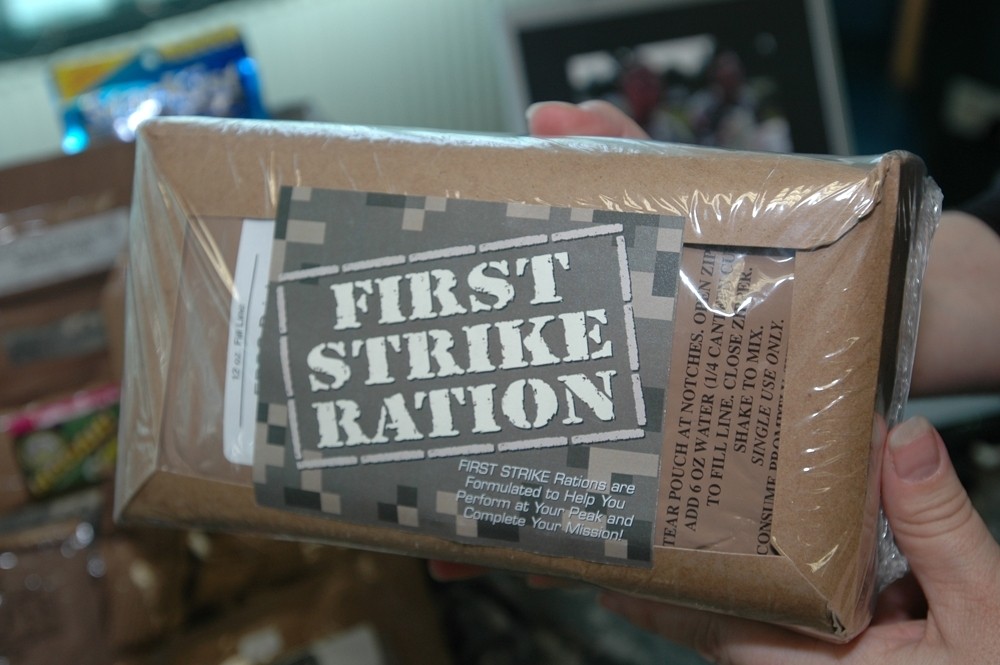
Meals, Ready-to-Eat have existed long enough to accumulate an impressive body of myths. Online forums, surplus listings, and social media videos frequently repeat claims about MRE safety, legality, shelf life, and nutritional value that range from outdated to completely false.
Many of these myths persist because they sound plausible, are repeated frequently, or are based on half-remembered experiences from decades-old ration programs. Separating fact from fiction is essential for anyone trying to make informed decisions about emergency food.
Myth: “MREs Expire Exactly on the Printed Date”
Military MREs do not use expiration dates. They use inspection dates that indicate when quality should be evaluated based on storage conditions. Treating inspection dates as expiration dates leads to unnecessary disposal and fuels improper resale of meals that may still be serviceable—or unsafe depending on storage history.
Myth: “Old MREs Are Always Unsafe”
Age alone does not determine safety. Storage temperature, packaging integrity, and handling history matter far more. A well-stored MRE can remain safe long after its initial inspection interval, while a heat-damaged meal may be unsafe within months.
Myth: “Surplus Military MREs Are Legal to Buy”
Military MREs are not classified as surplus property in normal circumstances. They remain government property until consumed or destroyed. Listings claiming “surplus MREs” typically involve unauthorized diversion rather than lawful release.
Myth: “MREs Are Loaded With Preservatives”
MREs do not rely on chemical preservatives to achieve shelf stability. Sterilization and barrier packaging are responsible for their longevity. This misconception likely stems from confusion between shelf stability and additive-heavy processed foods.
Myth: “You Must Heat an MRE to Eat It Safely”
MREs are fully cooked and safe to eat cold. Heating improves palatability but is not required for safety. This design ensures meals remain usable even when heating is impractical.
Myth: “MREs Cause Constipation by Default”
Digestive discomfort is often blamed on MREs themselves, but dehydration and reduced fiber intake are usually the real causes. When consumed with adequate water and balanced meals, MREs do not inherently cause digestive issues.
Myth: “All MREs Are the Same”
MRE quality, nutrition, and suitability vary widely depending on whether the meal is military-issued or civilian-produced. Lumping all MREs together obscures critical differences in design intent and legality.
Why Myths Persist
MREs exist at the intersection of military culture, preparedness culture, and internet storytelling. Outdated information spreads easily when firsthand experience is treated as universal truth. Clarifying these myths helps prevent poor purchasing decisions and unsafe food practices.
Civilian MREs and Clear Information
Civilian MRE manufacturers generally provide clearer labeling and guidance than military packaging allows. Preparedness-focused suppliers such as Meal Kit Supply emphasize transparency to counter misinformation and support responsible planning.
Preparedness Requires Accuracy
Emergency food decisions are too important to be based on rumor. Separating myth from reality allows MREs to be used effectively—without false expectations or unnecessary risk.
Sources & References
- Defense Logistics Agency – Shelf-Life and Inspection Guidance
https://www.dla.mil/InformationOperations/LogisticsInformationServices/ShelfLife/
- U.S. Army Natick Soldier Systems Center – Operational Ration Safety
https://www.natick.army.mil/Products/Operational-Rations/
- U.S. Army Public Health Center – Food and Water Safety
https://phc.amedd.army.mil/topics/foodwater/Pages/default.aspx
- Institute of Food Technologists – Shelf-Stable Food Preservation
https://www.ift.org/news-and-publications/food-technology-magazine/issues/2017/february/features/shelf-stable-foods
- FDA – Food Safety Myths and Facts
https://www.fda.gov/food/consumers/food-safety-myths-and-facts