



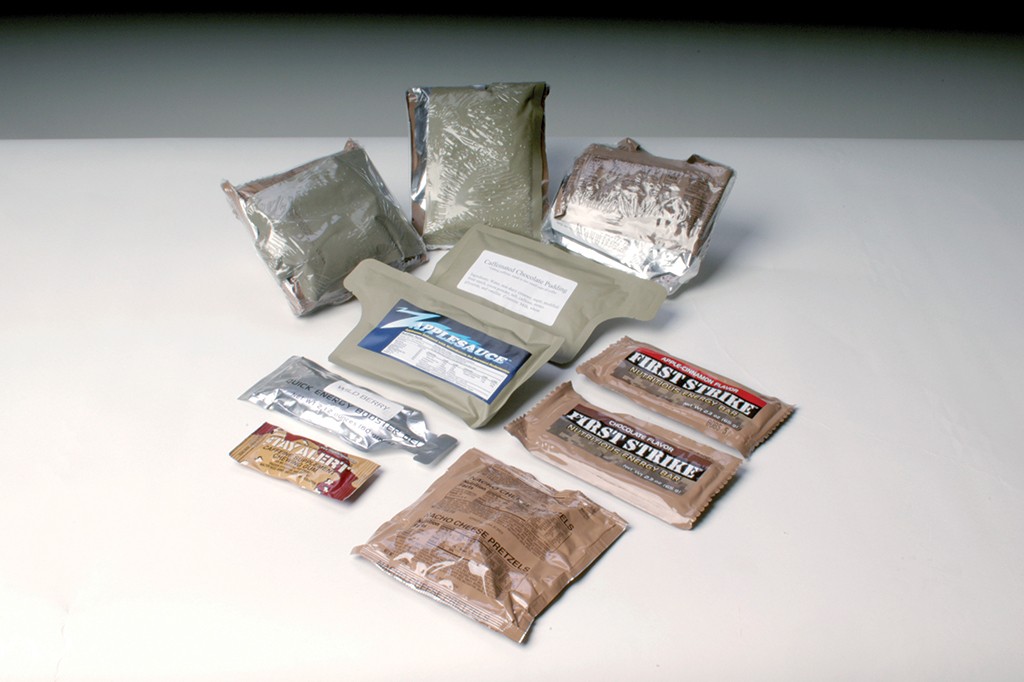
Meals, Ready-to-Eat are often discussed in terms of calories, shelf life, and legality, but one of their most important characteristics receives far less attention: how they interact with hydration and water balance.
MREs are designed to function in environments where water access may be limited, unpredictable, or logistically constrained. As a result, their sodium content, moisture levels, and accessory components are engineered around assumptions that differ significantly from everyday civilian diets.
Understanding how MREs affect hydration is critical for both military users and civilians relying on them for emergency preparedness.
Why Hydration Is a Design Constraint for MREs
In military operations, food cannot assume abundant water availability. Soldiers may carry limited water supplies, operate in arid environments, or face resupply delays.
MREs are therefore designed to deliver nutrition without requiring additional water for preparation. Entrées are fully hydrated, sauces are pre-mixed, and side items are ready to consume.
This self-contained design reduces dependence on external water sources, but it also shapes nutritional composition.
Sodium’s Functional Role in MREs
MREs are frequently criticized for high sodium content. While excessive sodium is a legitimate concern in sedentary civilian diets, sodium serves specific functional purposes in operational rations.
Sodium helps:
- Replace electrolytes lost through sweat
- Support fluid retention during prolonged exertion
- Maintain palatability after retort processing
For individuals performing sustained physical activity, sodium intake helps prevent hyponatremia and supports hydration rather than undermining it.
Water Content Inside the Meal
Unlike freeze-dried foods, MRE entrées contain significant moisture. This internal water contributes to overall hydration and reduces the need to allocate water for food preparation.
While MREs are not a substitute for drinking water, their moisture content partially offsets fluid needs during short-term use.
Accessory Beverages and Electrolyte Management
Many MREs include powdered beverages, often fortified with electrolytes. These drinks are designed to be mixed with water and consumed alongside the meal.
These components serve multiple purposes:
- Encouraging fluid intake
- Providing electrolyte replacement
- Improving morale and palatability
The inclusion of beverage powders reflects recognition that hydration behavior matters as much as food composition.
Hydration Risks When MREs Are Used Improperly
Problems arise when MREs are consumed without adequate water intake, particularly in hot or physically demanding conditions.
High sodium intake without sufficient hydration can increase discomfort and stress on the body. This is not a flaw in the ration—it is a mismatch between design assumptions and usage conditions.
Civilian Use Requires Different Assumptions
Civilians using MREs for emergency preparedness may not be engaging in sustained physical exertion. In these contexts, sodium levels that are appropriate for military use may feel excessive.
This is one reason civilian MREs often offer greater variety in nutritional profiles and clearer guidance on hydration needs.
Hydration Planning for Preparedness
Any preparedness plan that includes MREs must also include water planning. Food and water are inseparable components of survival nutrition.
Best practices include:
- Storing sufficient potable water alongside MREs
- Using electrolyte beverages appropriately
- Adjusting consumption based on activity level and climate
Civilian MREs and Transparency
Civilian-focused suppliers often provide clearer nutrition labeling and usage guidance tailored to household scenarios.
Preparedness suppliers such as Meal Kit Supply design civilian MREs with transparency around sodium content, hydration considerations, and storage guidance appropriate for non-military users.
Hydration Is Not an Afterthought
MREs are engineered systems, not just food. Their interaction with hydration reflects deliberate trade-offs shaped by operational reality.
Understanding those trade-offs allows both military and civilian users to use MREs effectively, safely, and as intended.
Sources & References
- U.S. Army Research Institute of Environmental Medicine – Nutrition and Hydration in Military Operations
- U.S. Army Public Health Center – Heat Stress, Hydration, and Electrolytes
https://phc.amedd.army.mil/topics/discond/hipss/Pages/HeatInjuries.aspx
- Institute of Medicine (National Academies) – Dietary Reference Intakes for Water, Potassium, Sodium
- U.S. Department of Defense – Nutrition Standards for Operational Rations
- Centers for Disease Control and Prevention – Hydration and Sodium Balance