



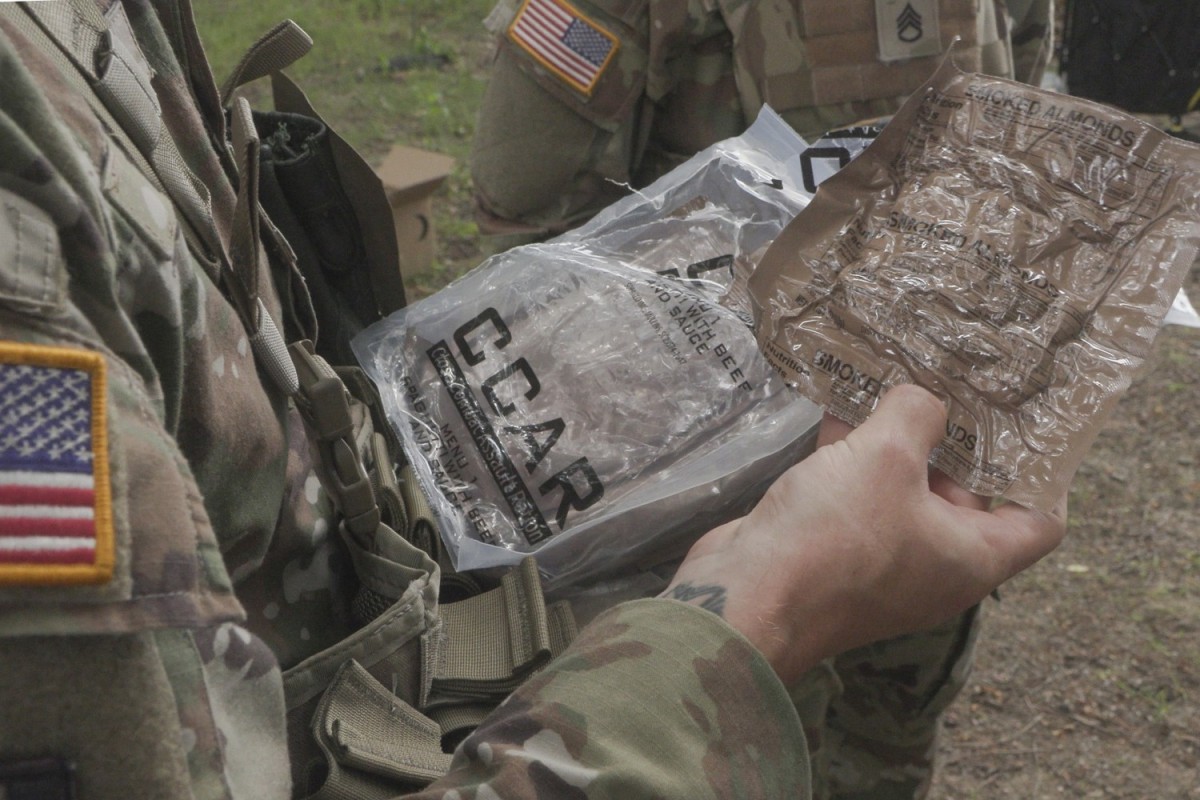
One of the most misunderstood elements of Meals, Ready-to-Eat is the inspection date printed on military packaging. Many people assume it functions like an expiration date, after which the food becomes unsafe. This misunderstanding has fueled unnecessary waste, improper resale, and confusion about what MRE dates actually mean.
In reality, military MREs operate under a fundamentally different system—one based on inspection, condition, and storage history rather than fixed expiration deadlines. Understanding how inspection dates, Time-Temperature Indicators (TTIs), and quality evaluations work is essential for anyone trying to make informed decisions about MRE safety and usability.
Why Military MREs Do Not Use Expiration Dates
Expiration dates are blunt instruments. They assume uniform storage conditions and predictable degradation, neither of which exists in military logistics.
Instead of expiration dates, the military uses inspection intervals. These dates indicate when a meal should be evaluated—not when it must be discarded.
This approach allows meals stored under ideal conditions to remain in service longer while ensuring that meals exposed to harsh environments are removed sooner.
What an MRE Inspection Date Actually Means
An inspection date is a checkpoint, not a deadline. It signals when quality assurance personnel should assess the condition of the ration based on known storage conditions.
If a meal passes inspection, it may remain in inventory for continued use. If it fails, it is removed and destroyed.
The inspection system prioritizes readiness and safety without unnecessary disposal.
The Role of Time-Temperature Indicators (TTIs)
Modern military MREs often include a Time-Temperature Indicator—a small label that changes color based on cumulative heat exposure.
TTIs do not measure time alone. They integrate both temperature and duration, providing a visual indicator of potential quality degradation.
A darkened or fully changed TTI suggests that a meal may have been exposed to excessive heat and should be inspected or discarded.
Why Heat Exposure Matters More Than Age
Heat accelerates chemical reactions that degrade flavor, texture, and nutritional quality. Two MREs produced on the same day can have dramatically different usability depending on storage history.
This is why inspection systems rely on condition-based assessment rather than calendar age.
How Military Quality Inspections Are Performed
When meals are inspected, evaluators look for multiple indicators:
- Packaging integrity and seal condition
- Swelling, leakage, or corrosion
- TTI color progression
- Odor, texture, and appearance upon opening (when required)
Meals that fail any critical criterion are removed from inventory.
Why Inspection Does Not Mean Consumer Safety Testing
Military inspection systems are designed for controlled logistics environments. They assume trained personnel, documented storage history, and standardized handling.
Once meals leave that system, inspection data becomes unreliable. This is one reason military MREs are unsuitable for civilian resale.
How Civilian MREs Handle Dating and Quality
Civilian MREs typically include clearer best-by or shelf-life guidance because they are intended for unsupervised consumer storage.
Manufacturers must account for less controlled environments and provide conservative guidance to ensure safety.
Preparedness-focused suppliers such as Meal Kit Supply design civilian MREs with transparent dating and storage recommendations appropriate for household use.
Why Misunderstanding Inspection Dates Causes Problems
Treating inspection dates as expiration dates leads to premature disposal, improper resale, and unsafe assumptions about food quality.
Understanding the inspection system helps clarify why military MREs remain restricted—and why civilian preparedness food must be designed differently.
Inspection Is a Readiness Tool, Not a Consumer Label
The military inspection system exists to preserve readiness under uncertainty. It is precise, contextual, and dependent on controlled handling.
Outside that system, only civilian-produced MREs provide the clarity and legality required for responsible preparedness.
Sources & References
- U.S. Army Natick Soldier Systems Center – Time-Temperature Indicators for Operational Rations
https://apps.dtic.mil/sti/pdfs/ADA356504.pdf
- Defense Logistics Agency – Shelf-Life and Inspection Policy
https://www.dla.mil/InformationOperations/LogisticsInformationServices/ShelfLife/
- U.S. Army Public Health Center – Operational Ration Safety
https://phc.amedd.army.mil/topics/foodwater/Pages/OperationalRations.aspx
- Institute of Food Technologists – Indicators of Food Quality Degradation
https://www.ift.org/news-and-publications/food-technology-magazine/issues/2019/march/features/food-quality-indicators
- FDA – Shelf-Life, Storage, and Food Safety
https://www.fda.gov/consumers/consumer-updates/are-you-storing-food-safely