


Category Archives: News

This is the news category for the site

From Battlefield to Basement: Why Civilian MREs Exist at All

Photo Credit: U.S. Army

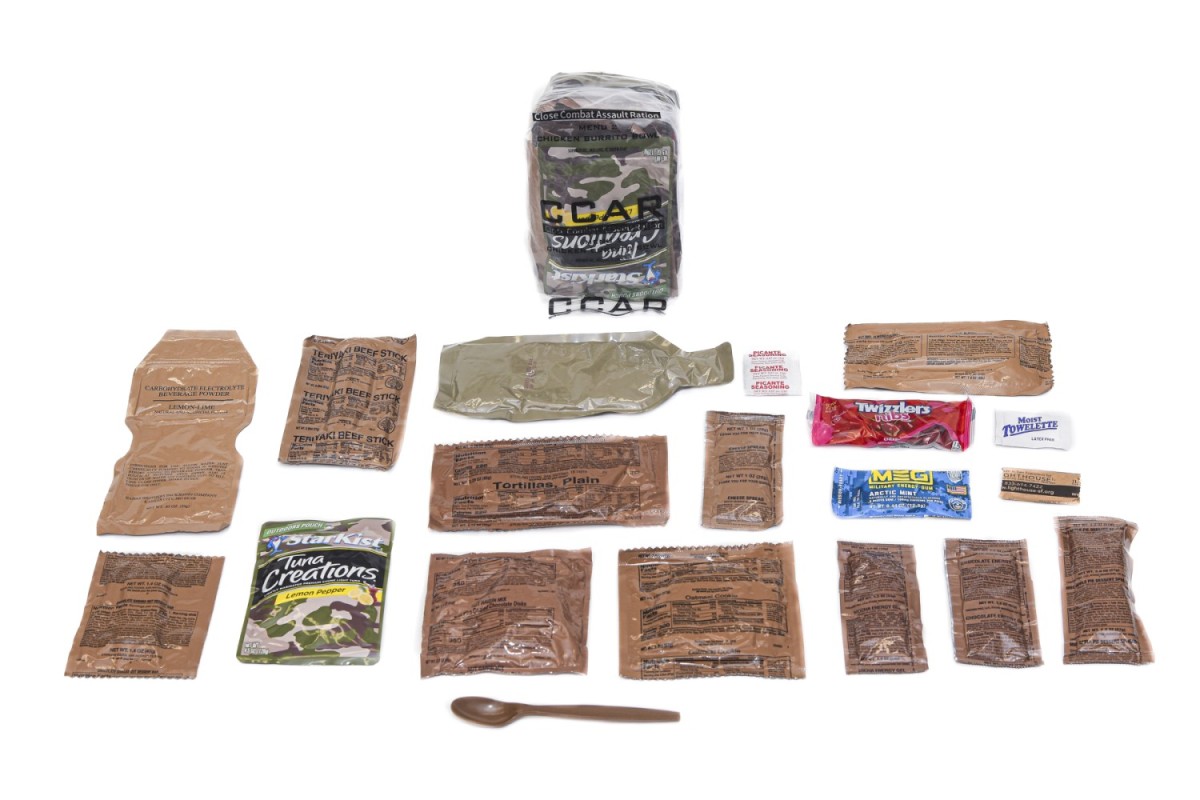
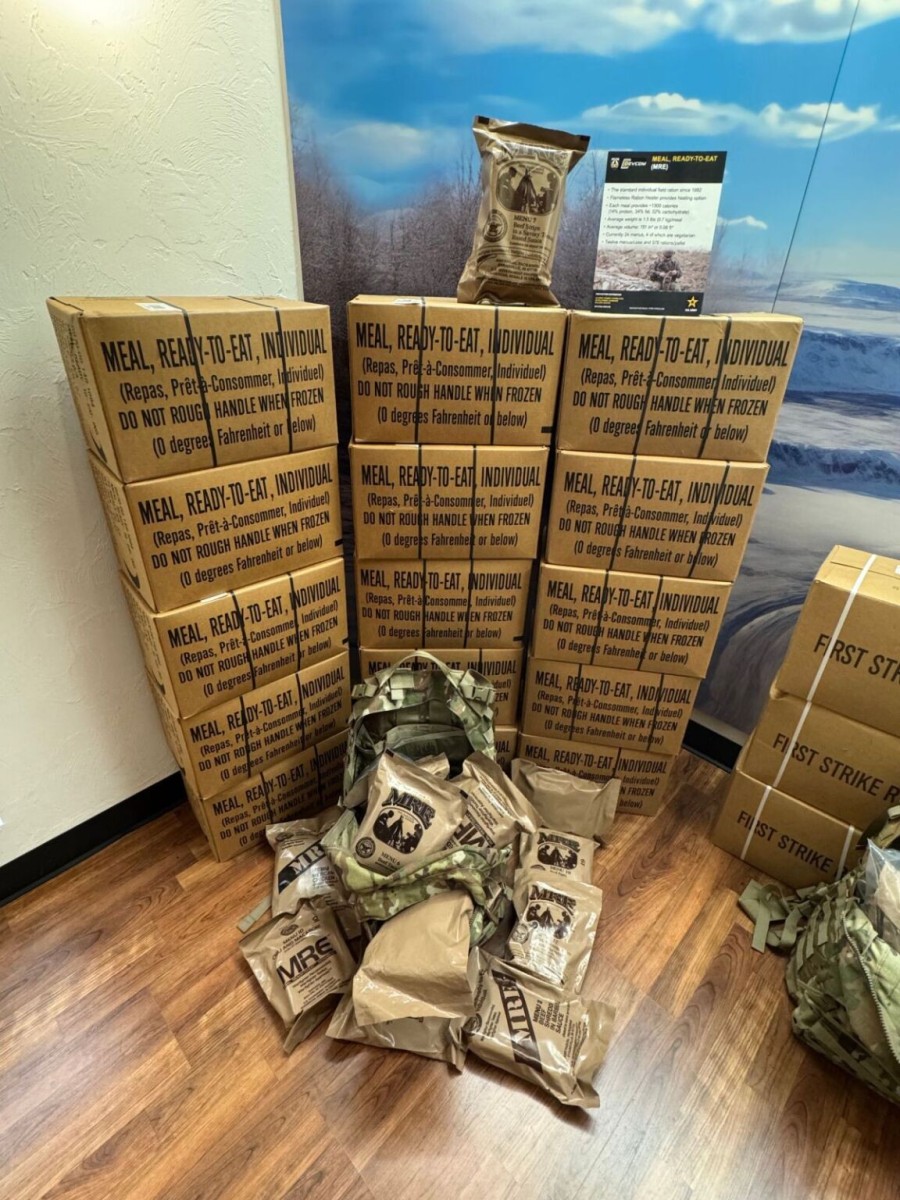
The idea of a shelf-stable, self-contained meal did not originate with civilians. Modern MREs were developed to solve a military problem: how to feed people reliably when kitchens, fuel, and infrastructure are unavailable. Yet today, civilian MREs are widely used for emergency preparedness, disaster response, and remote work.

This raises an important question: if military MREs already exist, why did a civilian version need to be created at all?

The answer lies in the fundamental differences between military logistics and civilian life.

Military Rations Serve a Closed System

Military MREs exist inside a closed, tightly controlled logistics environment. They are produced, stored, issued, recovered, and destroyed under government authority. The system assumes centralized control, trained users, and documented storage conditions. Ownership never transfers to individuals. This design works for military operations—but it does not translate to civilian use.

Civilians Operate Without Institutional Support

Households and organizations do not have logistics officers, inspection programs, or recovery systems. Civilian food must be designed for unsupervised storage, clear labeling, and lawful ownership. This alone makes military MREs unsuitable for civilian preparedness.

Legal Ownership Is Non-Negotiable

Military MREs remain government property until consumed or destroyed. This legal reality makes civilian resale problematic regardless of condition. Civilian MREs exist specifically to avoid this ambiguity. They are produced for commercial sale, owned by the purchaser, and regulated under consumer food laws.

Transparency and Consumer Information

Military packaging prioritizes logistics data over consumer clarity. Ingredient lists, allergen information, and shelf-life guidance are limited or indirect. Civilian MREs must meet labeling standards that allow consumers to make informed decisions about storage, use, and safety.

Designing for Real Homes, Not Supply Depots

Military storage facilities are climate-controlled and monitored. Homes are not. Civilian MREs are designed to tolerate a wider range of storage conditions while providing conservative guidance that reflects real-world variability.

Psychology and Preparedness

Civilian emergencies differ from military operations in duration and psychological context. Preparedness food must support morale, routine, and long-term usability—not just immediate survival. Menu variety, palatability, and ease of use matter more when food is consumed over weeks rather than days.

Why Civilian MREs Are Not “Military Knockoffs”

Civilian MREs borrow concepts from military ration science but are not copies. They represent a translation of durability, shelf stability, and readiness into a framework that works for private ownership.

Preparedness Without Dependency

A resilient civilian preparedness system does not rely on military supply. It relies on food designed from the outset for households, communities, and organizations. Suppliers such as Meal Kit Supply exist to bridge this gap—bringing readiness principles into civilian life without legal or logistical conflict.

Why This Distinction Matters

Confusing military and civilian MREs leads to poor decisions, legal risk, and unreliable preparedness. Understanding why civilian MREs exist clarifies how preparedness should be built: intentionally, lawfully, and realistically.

From Battlefield Lessons to Civilian Resilience

Civilian MREs are not imitations of military food. They are the result of decades of hard-earned lessons applied to a different world. Preparedness works best when tools are designed for the people who will actually use them.


Sources & References

MREs in Emergency Planning: What They’re Good For—and What They’re Not

Photo Credit: U.S. Army

Meals, Ready-to-Eat occupy a prominent place in emergency planning conversations. Their long shelf life, portability, and readiness make them an appealing solution for uncertain situations. However, MREs are often misunderstood as a complete answer to emergency nutrition.

In reality, MREs are powerful tools when used appropriately—and limiting when used incorrectly. Effective emergency planning requires understanding both their strengths and their boundaries.

What MREs Are Exceptionally Good At

MREs excel in scenarios where conventional food systems fail or cannot be relied upon. They are particularly effective for:

  • Short- to medium-term emergencies
  • Evacuation and displacement scenarios
  • Situations without cooking infrastructure
  • Rapid deployment and mobility

Their self-contained nature allows them to be used immediately without preparation.

Reliability Under Uncertainty

MREs are designed to function when logistics are unstable. They do not depend on refrigeration, utilities, or external fuel. This reliability makes them valuable during the initial phase of emergencies, when disruption is greatest.

What MREs Are Not Designed For

MREs are not intended to serve as a sole long-term diet under normal conditions. Extended reliance without supplementation can lead to:

  • Menu fatigue
  • Digestive discomfort
  • Nutritional imbalance over time

They are optimized for survival and performance, not culinary variety.

Why Variety Matters in Emergencies

Psychological stress reduces appetite. Eating the same meals repeatedly compounds this effect. Emergency food plans should include a mix of food types to maintain morale and intake.

MREs as Part of a Food System

The most resilient emergency plans treat MREs as one component of a layered food strategy. This may include:

  • Shelf-stable pantry foods
  • Freeze-dried meals
  • Comfort foods and snacks

Each category addresses different needs and time horizons.

Water Planning Cannot Be Separated

Food planning without water planning is incomplete. MREs reduce water needs for preparation but do not eliminate hydration requirements. Water storage must scale with food storage.

Adapting Plans to Realistic Scenarios

Emergency planning should be scenario-driven rather than product-driven. Evacuation, shelter-in-place, and regional disasters place different demands on food systems.

Civilian MREs and Preparedness Strategy

Civilian MREs are often better suited to household emergency planning than military-issued meals. Preparedness suppliers such as Meal Kit Supply design civilian MREs specifically for lawful ownership, clarity, and integration into broader preparedness plans.

Right Tool, Right Role

MREs are not a silver bullet—but they are a powerful tool when used for the right purpose. Understanding their role prevents overreliance and maximizes effectiveness.


Sources & References

MREs and Long-Term Storage: Rotation, Risk, and Realistic Expectations

Photo Credit: U.S. Army

Long-term food storage is often discussed as a binary question: does it last or does it not? Meals, Ready-to-Eat complicate that framing. MREs are designed to last, but longevity is not a guarantee—it is the result of storage discipline, realistic expectations, and proactive rotation. Understanding how MREs behave over long periods helps prevent both false confidence and unnecessary waste.

What “Long-Term Storage” Actually Means

In preparedness contexts, long-term storage does not mean indefinite storage. It means maintaining food quality and safety across an extended but finite time horizon. MREs are engineered to support multi-year storage, not lifetime hoarding.

Rotation Is Not Optional

Even under ideal conditions, food quality changes over time. Rotation ensures that older meals are consumed first and replaced with fresh inventory. A simple first-in, first-out approach dramatically reduces risk and improves reliability.

Environmental Risk Factors

The biggest threats to long-term MRE storage are environmental:

  • Heat exposure
  • Moisture intrusion
  • Physical damage
  • Temperature cycling

Each factor compounds degradation and shortens usable life.

Why “Set and Forget” Fails

Storing MREs and ignoring them for a decade invites disappointment. Labels fade, storage conditions change, and assumptions become outdated. Periodic inspection is essential for maintaining readiness.

How to Inspect Stored MREs

Inspection does not require opening meals. Visual checks include:

  • Case condition and dryness
  • Absence of swelling or leakage
  • Evidence of heat exposure

Any compromised packaging should be removed immediately.

Realistic Shelf-Life Planning

Preparedness planning benefits from conservative assumptions. Planning for shorter shelf life than theoretical maximums builds resilience. This approach ensures usable food when it is actually needed.

Balancing Quantity and Quality

More food is not always better food. Excess inventory stored poorly may be less useful than a smaller quantity stored well and rotated regularly. Preparedness is about reliability, not volume.

Civilian MREs and Storage Guidance

Civilian MRE manufacturers often provide clearer storage and rotation guidance tailored to household conditions. Preparedness-focused suppliers such as Meal Kit Supply emphasize realistic shelf-life expectations and rotation practices to support dependable long-term storage.

Preparedness Is an Ongoing Process

Long-term storage succeeds when it is treated as a system, not a one-time purchase. MREs reward attention and punish neglect.


Sources & References

Cold Weather, Hot Weather, and Everything Between: How Climate Affects MRE Performance

Photo Credit: U.S. Army

Meals, Ready-to-Eat are often described as “all-weather food,” but that description hides important nuance. While MREs are engineered to function across a wide range of climates, temperature extremes still influence how they perform, how long they last, and how they are best used. Understanding how cold and heat affect MREs helps explain design choices, storage guidance, and why performance expectations must change with climate.

Heat: The Primary Enemy of Shelf Life

High temperatures accelerate chemical reactions that degrade food quality. In hot environments, MREs lose flavor, texture, and nutritional value more quickly—even when packaging remains intact. Extended exposure to heat shortens shelf life dramatically. This is why military storage guidance emphasizes keeping MREs as cool as possible whenever feasible.

Cold Temperatures and Food Quality

Cold environments slow degradation and extend shelf life. However, cold introduces other challenges. In freezing conditions, MRE components may become stiff or difficult to open. Some textures change temporarily until warmed. Importantly, freezing does not make MREs unsafe. Once thawed, properly sealed meals remain safe to eat.

Performance of Flameless Heaters in Cold Weather

Flameless ration heaters rely on chemical reactions that slow in cold temperatures. In very cold environments, heaters may produce less heat or require additional water and insulation to function effectively. This limitation reinforces why MREs are designed to be edible without heating.

Hydration Demands in Hot vs Cold Climates

Hot climates increase fluid loss through sweat, raising hydration requirements when consuming MREs. Cold climates can suppress thirst, increasing the risk of dehydration even when water is available. MRE design accounts for these risks, but users must adapt behavior to climate conditions.

Packaging Performance Across Climates

Retort pouches are designed to withstand temperature extremes without cracking or delaminating. However, repeated freeze-thaw cycles or prolonged heat exposure increase the risk of packaging stress. Careful handling preserves integrity across climates.

Why Climate Awareness Matters for Preparedness

Civilians often store MREs in garages, vehicles, or sheds where temperatures fluctuate dramatically. These environments can shorten shelf life far faster than indoor storage. Preparedness planning must consider local climate realities.

Adapting Use to Conditions

MREs are flexible tools, but optimal use requires adjustment:

  • Rotate stock more frequently in hot climates
  • Insulate meals and heaters in cold environments
  • Adjust hydration strategies based on temperature

Civilian MREs and Climate Guidance

Civilian preparedness suppliers often provide clearer storage recommendations tailored to household environments. Suppliers such as Meal Kit Supply emphasize climate-aware storage guidance to help consumers preserve shelf life and performance.

Climate Does Not Make MREs Fail—Misuse Does

MREs are engineered to tolerate harsh environments, but they are not immune to physics. Understanding climate effects allows users to deploy them intelligently rather than expecting uniform performance everywhere.


Sources & References

Why MREs Are Designed for Stress: Eating, Digestion, and Performance Under Pressure

Photo Credit: U.S. Army

Meals, Ready-to-Eat are not designed for relaxed dining. They are designed for environments defined by stress, uncertainty, and physical demand. This reality shapes everything from ingredient selection to portion size and packaging. Understanding how stress affects eating, digestion, and performance explains why MREs look, taste, and function the way they do—and why they behave differently than everyday meals.

Stress Changes How the Body Uses Food

Under stress, the body shifts into a heightened physiological state. Hormones such as cortisol and adrenaline alter digestion, appetite, and nutrient utilization. Blood flow is prioritized toward muscles and vital organs, often reducing digestive efficiency. Meals designed for calm environments may feel heavy or unappealing under stress.

Why MRE Portions Are Dense

MREs concentrate calories into relatively compact portions. This reduces the need for frequent eating and ensures sufficient energy intake even when appetite is suppressed. Dense portions also minimize packaging volume and logistical burden.

Palatability Under Stress

Stress dulls appetite and alters taste perception. Foods that are mildly seasoned under normal conditions may taste bland when consumed under pressure. This is why MREs often feature stronger flavors, sauces, and comfort-food profiles that remain acceptable under stress.

Digestive Considerations in Field Rations

MREs are formulated to be easily digestible, even when gastrointestinal function is compromised by stress or exertion. Highly perishable foods, excessive fiber, or ingredients that commonly cause discomfort are avoided.

Eating Without Appetite

In operational environments, individuals may need to eat despite low appetite. MREs are designed to be consumed quickly, without preparation, and without relying on hunger cues. This ensures energy intake even when psychological stress suppresses normal eating behavior.

Hydration, Stress, and Digestion

Stress increases fluid loss through sweating and respiration. Dehydration further impairs digestion and performance. MRE design assumes concurrent water intake and includes components that encourage hydration.

Civilian Stress Scenarios

Disasters, evacuations, and emergencies induce similar stress responses in civilians. Foods that seem adequate during planning may become unappealing or difficult to consume under real-world pressure.

Civilian MREs and Stress-Aware Design

Preparedness-focused civilian MREs increasingly incorporate lessons from military nutrition science. Suppliers such as Meal Kit Supply design civilian MREs to remain usable under stress, balancing caloric density, digestibility, and palatability.

Food as Functional Support

Under stress, food is not about enjoyment—it is about sustaining function. MREs are engineered to deliver energy when the body and mind are under strain, not when conditions are ideal.


Sources & References

MRE Myths That Won’t Die: Separating Internet Lore from Reality

Photo Credit: U.S. Army

Meals, Ready-to-Eat have existed long enough to accumulate an impressive body of myths. Online forums, surplus listings, and social media videos frequently repeat claims about MRE safety, legality, shelf life, and nutritional value that range from outdated to completely false.

Many of these myths persist because they sound plausible, are repeated frequently, or are based on half-remembered experiences from decades-old ration programs. Separating fact from fiction is essential for anyone trying to make informed decisions about emergency food.

Myth: “MREs Expire Exactly on the Printed Date”

Military MREs do not use expiration dates. They use inspection dates that indicate when quality should be evaluated based on storage conditions. Treating inspection dates as expiration dates leads to unnecessary disposal and fuels improper resale of meals that may still be serviceable—or unsafe depending on storage history.

Myth: “Old MREs Are Always Unsafe”

Age alone does not determine safety. Storage temperature, packaging integrity, and handling history matter far more. A well-stored MRE can remain safe long after its initial inspection interval, while a heat-damaged meal may be unsafe within months.

Myth: “Surplus Military MREs Are Legal to Buy”

Military MREs are not classified as surplus property in normal circumstances. They remain government property until consumed or destroyed. Listings claiming “surplus MREs” typically involve unauthorized diversion rather than lawful release.

Myth: “MREs Are Loaded With Preservatives”

MREs do not rely on chemical preservatives to achieve shelf stability. Sterilization and barrier packaging are responsible for their longevity. This misconception likely stems from confusion between shelf stability and additive-heavy processed foods.

Myth: “You Must Heat an MRE to Eat It Safely”

MREs are fully cooked and safe to eat cold. Heating improves palatability but is not required for safety. This design ensures meals remain usable even when heating is impractical.

Myth: “MREs Cause Constipation by Default”

Digestive discomfort is often blamed on MREs themselves, but dehydration and reduced fiber intake are usually the real causes. When consumed with adequate water and balanced meals, MREs do not inherently cause digestive issues.

Myth: “All MREs Are the Same”

MRE quality, nutrition, and suitability vary widely depending on whether the meal is military-issued or civilian-produced. Lumping all MREs together obscures critical differences in design intent and legality.

Why Myths Persist

MREs exist at the intersection of military culture, preparedness culture, and internet storytelling. Outdated information spreads easily when firsthand experience is treated as universal truth. Clarifying these myths helps prevent poor purchasing decisions and unsafe food practices.

Civilian MREs and Clear Information

Civilian MRE manufacturers generally provide clearer labeling and guidance than military packaging allows. Preparedness-focused suppliers such as Meal Kit Supply emphasize transparency to counter misinformation and support responsible planning.

Preparedness Requires Accuracy

Emergency food decisions are too important to be based on rumor. Separating myth from reality allows MREs to be used effectively—without false expectations or unnecessary risk.


Sources & References

Calories vs Reality: How Many MREs a Person Actually Needs Per Day

Photo Credit: U.S. Army

One of the most common misconceptions about Meals, Ready-to-Eat is that a single meal—or even a single case—is sufficient for long-term sustenance. This misunderstanding often stems from focusing on calories alone rather than how calories interact with activity level, stress, environment, and duration.

MREs are engineered around specific assumptions about physical exertion and operational demand. When those assumptions change, the number of meals required per person per day changes with them. Understanding how many MREs a person actually needs requires moving beyond simple calorie counts and into real-world usage scenarios.

What a “Standard” MRE Is Designed to Support

A single military MRE typically provides roughly 1,200 to 1,300 calories. This number is not arbitrary. It reflects an assumption of sustained physical activity rather than sedentary living. Military ration planning traditionally assumes three MREs per day during high-demand operations, yielding approximately 3,600 calories. This level of intake supports prolonged exertion, not comfort.

Calories Are Context-Dependent

Calories do not function in a vacuum. The number of calories required depends on:

  • Physical activity level
  • Environmental temperature
  • Stress and sleep deprivation
  • Body size and metabolism

During physically demanding conditions, caloric needs increase substantially. In sedentary or shelter-in-place scenarios, needs decrease.

Why One MRE Per Day Is Not Enough

Consuming a single MRE per day provides insufficient energy for most adults, even under low-activity conditions. While short-term calorie restriction is survivable, prolonged underfeeding leads to fatigue, impaired cognition, and weakened immune function. Preparedness planning must account for sustained intake, not minimum survival.

Two MREs vs Three MREs Per Day

Two MREs per day may be adequate for:

  • Low-activity shelter scenarios
  • Short-duration emergencies
  • Supplemented diets with additional food sources

Three MREs per day are more appropriate for:

  • Manual labor or evacuation scenarios
  • Cold environments
  • Extended emergency response efforts

The correct number depends on how the meals are used.

Macronutrients Matter as Much as Calories

MREs are formulated to balance carbohydrates, fats, and proteins for sustained energy. Relying on calorie-dense but nutritionally imbalanced food can result in energy crashes, digestive discomfort, and poor morale. Meal composition affects how calories are utilized.

Civilian Preparedness Planning

Civilians planning emergency food storage often overestimate how long a small number of meals will last. A realistic baseline for preparedness is:

  • 2–3 MREs per person per day
  • Adjusted for activity and duration
  • Supplemented with water and other food sources

Why Variety and Rotation Matter

Consuming the same meals repeatedly reduces appetite and intake over time. Menu variety supports consistent caloric consumption during prolonged emergencies.

Civilian MREs and Calorie Transparency

Civilian MRE suppliers typically provide clearer nutrition labeling and usage guidance than military packaging. Preparedness-focused suppliers such as Meal Kit Supply offer civilian MREs with transparent calorie information to help households plan realistically.

Calories Are a Planning Tool, Not a Guarantee

Calorie counts are only meaningful when paired with context. Preparedness is not about eating as little as possible—it is about sustaining function when normal food systems fail.


Sources & References

Allergens, Dietary Restrictions, and Special Needs in MREs: What’s Included—and What Isn’t

Photo Credit: U.S. Army

As awareness of food allergies and dietary restrictions has increased, questions about how Meals, Ready-to-Eat accommodate these needs have become more common. Many people assume that military MREs are designed to be universally safe for all eaters. In reality, MREs are designed to feed large populations efficiently—not to meet individual dietary requirements.

Understanding how allergens and special dietary needs are handled in MREs requires a clear look at the constraints under which these meals are designed and distributed.

The Primary Design Goal: Feeding the Majority

Military MREs are engineered to meet the nutritional needs of the average service member under demanding conditions. Their design prioritizes calorie density, shelf stability, and mass distribution. This approach inherently limits customization. Producing individualized meals for a wide range of allergies or dietary preferences would dramatically increase logistical complexity.

Common Allergens in MRE Components

Because MREs rely on processed, shelf-stable foods, they frequently include common allergens. These may include:

  • Wheat (in breads, pastas, sauces)
  • Dairy (cheese spreads, desserts, sauces)
  • Soy (textured proteins, sauces)
  • Nuts (occasionally in desserts or spreads)

While allergen information may be available at the component level, military MRE labeling is not designed for consumer allergen avoidance.

Why Military MREs Are Not “Allergen-Free”

Producing allergen-free meals at scale would require segregated manufacturing lines, specialized sourcing, and parallel inventory systems. For a military logistics operation feeding millions of meals annually, this level of customization is impractical. As a result, individuals with severe allergies are typically issued alternative rations through separate medical or logistical channels rather than standard MREs.

Religious and Ethical Dietary Constraints

Military food systems have historically made limited accommodations for religious or ethical diets, such as vegetarian options. However, these accommodations are constrained by shelf-life performance and acceptance testing. Not all dietary categories translate well to long-term retort processing.

Why Ingredient Transparency Is Limited

Military MRE packaging emphasizes logistics information rather than consumer clarity. Ingredient lists may be abbreviated, component-specific, or inaccessible without reference materials. This lack of transparency reinforces why military MREs are unsuitable for civilian resale, particularly for individuals managing allergies.

Civilian MREs and Consumer Labeling

Civilian MREs operate under consumer food regulations that require clear ingredient and allergen labeling. This transparency allows individuals to make informed decisions based on personal health needs.

Preparedness-focused suppliers such as Meal Kit Supply design civilian MREs with full ingredient disclosure and allergen awareness appropriate for household use.

Preparedness Planning for Special Diets

Individuals with allergies or dietary restrictions must plan deliberately. Relying on generic emergency food can introduce serious health risks.

Effective preparedness includes:

  • Reading and verifying ingredient lists
  • Storing foods compatible with medical needs
  • Avoiding unlabeled or ambiguous food sources

Why MREs Are Not One-Size-Fits-All

MREs are tools designed for scale, durability, and reliability—not personalization. Understanding their limitations allows both military and civilian users to deploy them appropriately and safely.


Sources & References

Why MREs Taste the Way They Do: Retort Cooking, Flavor Trade-Offs, and Expectations

Photo Credit: U.S. Army

Ask anyone who has eaten an MRE and the conversation eventually turns to taste. Some describe the meals as surprisingly good, others as bland or overly processed. These reactions are not accidental. The flavor of an MRE is the result of deliberate engineering choices made to satisfy shelf stability, safety, and logistics long before culinary refinement.

Understanding why MREs taste the way they do requires abandoning restaurant expectations and examining how retort cooking, ingredient selection, and long-term storage constraints shape flavor outcomes.

Retort Cooking Changes Food at a Chemical Level

MRE entrées are cooked and sterilized inside sealed retort pouches using high heat and pressure. This process destroys pathogens and enzymes, ensuring shelf stability for years. However, high-temperature processing alters proteins, starches, and fats. Textures soften, flavors mellow, and volatile aromatics are reduced. These changes are unavoidable trade-offs for safety and longevity.

Why Sauces Dominate MRE Menus

Sauces perform exceptionally well under retort conditions. They retain moisture, mask texture changes, and distribute flavor evenly after processing. This is why many MRE entrées feature gravies, stews, curries, or pasta sauces. Dry foods tend to suffer more noticeable degradation after retort processing.

Salt, Fat, and Flavor Stability

Salt and fat are not just flavor enhancers in MREs—they are stabilizers. Salt suppresses bitterness and enhances muted flavors after heat processing. Fats carry flavor compounds and improve mouthfeel, compensating for texture softening caused by retort cooking. Balancing these elements is essential for maintaining acceptable taste over long storage periods.

Why MREs Can Taste “Flat”

Fresh foods rely heavily on volatile aroma compounds released during cooking. Many of these compounds do not survive retort processing. As a result, MREs may lack the aromatic complexity of freshly cooked meals, leading to perceptions of blandness even when seasoning levels are adequate.

Menu Fatigue and Perception

Taste perception is influenced by context. Eating the same meals repeatedly under stress reduces perceived palatability. This is why menu variety and periodic updates are critical, even if individual recipes are nutritionally sound.

Heating Improves Perceived Flavor

Warm food releases more aroma and improves texture perception. Even modest heating significantly improves MRE acceptability. This explains why flameless ration heaters are valued despite their limitations.

Why Civilian Expectations Differ

Civilians often evaluate MREs against home-cooked meals rather than survival food. This mismatch leads to disappointment when expectations are unrealistic. Civilian MRE manufacturers often adjust seasoning and texture profiles to better align with consumer expectations while maintaining shelf stability.

Civilian MREs and Flavor Optimization

Preparedness-focused suppliers such as Meal Kit Supply design civilian MREs with an emphasis on palatability, variety, and consumer feedback, while still using retort technology for long shelf life.

Understanding the Trade-Off

MRE flavor reflects a deliberate compromise between safety, durability, and acceptability. They are not designed to impress—they are designed to endure. When judged on those terms, their flavor makes sense.


Sources & References

How MRE Packaging Works: Retort Pouches, Barriers, and Long-Term Stability

Photo Credit: U.S. Army

When people think about what allows Meals, Ready-to-Eat to last for years without refrigeration, they often focus on preservatives or ingredients. In reality, the single most important factor in MRE longevity is packaging.

MREs rely on advanced packaging technology designed to isolate food from the external environment while withstanding extreme temperature changes, physical abuse, and long storage periods. Understanding how this packaging works explains why MREs can remain shelf-stable—and why even small packaging failures render a meal unusable.

The Role of Packaging in Shelf-Stable Foods

All shelf-stable foods rely on a combination of processing and packaging. For MREs, retort processing sterilizes the food, while packaging ensures that sterile conditions are maintained afterward.

If packaging fails, shelf stability fails with it—regardless of ingredient quality or processing.

What a Retort Pouch Actually Is

A retort pouch is a flexible, multilayer package designed to withstand high heat and pressure during sterilization while maintaining an airtight seal afterward.

MRE retort pouches typically consist of multiple bonded layers, each serving a specific function:

  • An outer layer for durability and abrasion resistance
  • A middle barrier layer (often aluminum foil) to block oxygen, moisture, and light
  • An inner food-contact layer designed to be heat-stable and inert

This layered structure provides protection comparable to metal cans, with far less weight.

Why Oxygen and Moisture Are the Enemy

Oxygen drives oxidation, which degrades fats, vitamins, and flavor compounds. Moisture allows microbial growth if sterility is compromised. The aluminum barrier layer in retort pouches creates a near-impermeable shield against both. As long as the barrier remains intact, food safety is preserved.

Heat Processing and Seal Integrity

During retort processing, sealed pouches are exposed to high temperatures and pressure to destroy bacteria, spores, and enzymes. After processing, seals are tested to ensure they remain intact. Even microscopic seal failures can compromise shelf stability. This is why swelling, leaking, or delamination are automatic rejection criteria during inspection.

Why Pouches Are Preferred Over Cans in the Field

While metal cans offer excellent protection, they are heavier and bulkier. Retort pouches reduce weight and volume while providing equivalent barrier performance. This reduction in mass significantly improves transport efficiency and portability—critical advantages in military and emergency contexts.

Physical Damage and Real-World Storage

Although retort pouches are durable, they are not indestructible. Sharp impacts, repeated flexing, or crushing can compromise barrier layers. Proper storage minimizes mechanical stress and preserves seal integrity over time.

Why Packaging Failures Are Non-Negotiable

An MRE with compromised packaging is not “probably fine.” Once the barrier is breached, sterility cannot be guaranteed. This is why military inspection standards are strict and why damaged meals are destroyed rather than consumed or donated.

Civilian MRE Packaging and Transparency

Civilian MRE manufacturers use similar retort technology but often provide clearer guidance on handling and storage for consumers. Preparedness-focused suppliers such as Meal Kit Supply emphasize packaging integrity, storage discipline, and consumer education as part of responsible preparedness planning.

Packaging Is the Silent Enabler

MRE packaging rarely gets attention until it fails. Yet it is the primary reason these meals can exist at all. Understanding packaging transforms MRE shelf life from a mystery into a predictable outcome governed by physics, materials science, and handling discipline.


Sources & References