



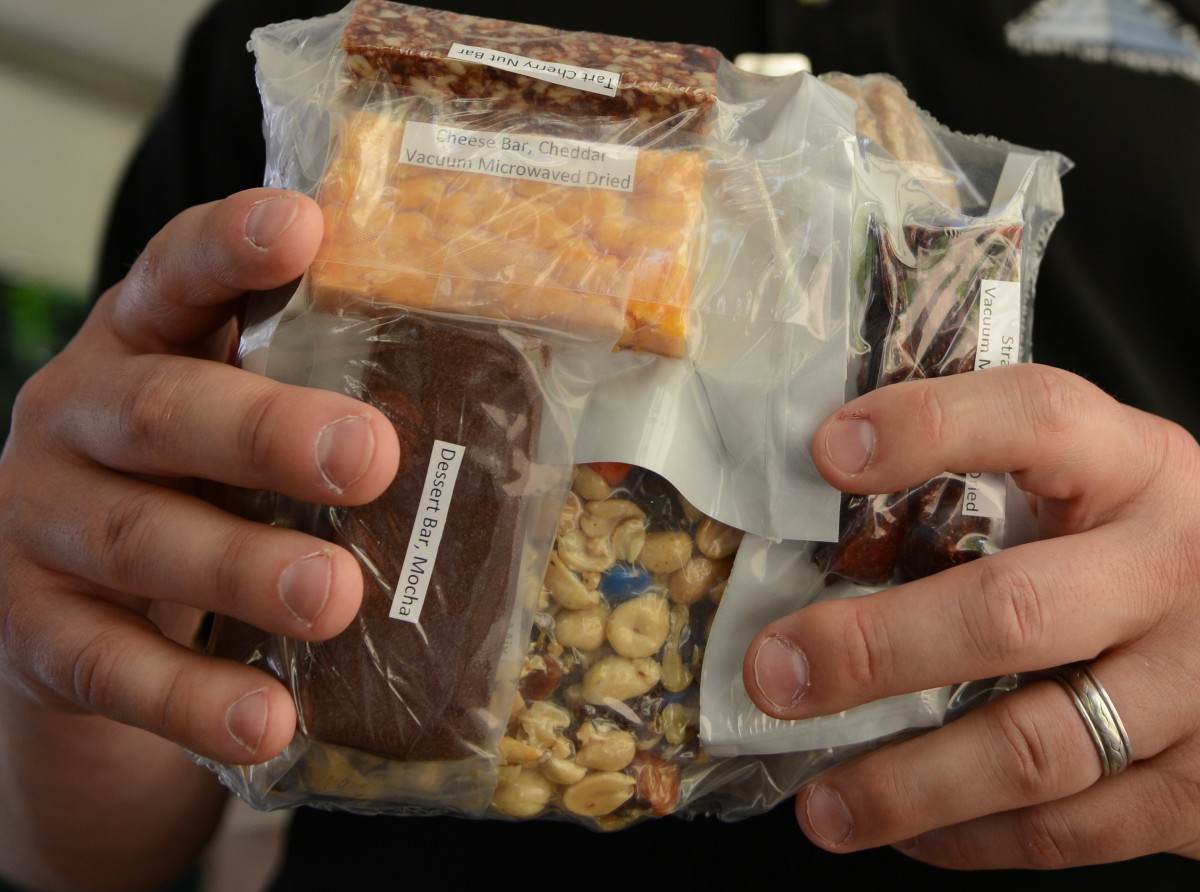
Few food items generate as much confusion—and misinformation—as U.S. military Meals, Ready-to-Eat (MREs). They are widely discussed online, frequently resold on secondary markets, and often assumed to be “surplus” military food that anyone can legally purchase. In reality, genuine military-issued MREs occupy a unique legal and logistical category that places them outside normal consumer commerce.
Understanding why military MREs are restricted requires looking beyond food labeling and into how the U.S. government procures, tracks, and controls operational rations.
Military MREs Are Government Property, Not Commercial Goods
U.S. military MREs are purchased using taxpayer funds and remain government property until they are consumed, destroyed, or formally transferred through authorized channels. Unlike consumer food products, they are not manufactured for retail sale and are never classified as excess inventory in the traditional sense.
The Defense Logistics Agency (DLA) oversees acquisition and distribution of operational rations. MREs are treated as mission-critical consumables, similar to fuel or medical supplies. Their ownership does not transfer simply because they leave a warehouse or reach the end of a training exercise.
This distinction is crucial: possession does not equal ownership. A service member receiving MREs for duty does not gain the right to sell or redistribute them.
Why “Surplus” Does Not Apply to MREs
Many assume that unused MREs eventually become surplus military property. However, military food logistics do not operate the same way as equipment disposal programs.
MRE inventories are calculated years in advance based on troop strength, training cycles, contingency planning, and disaster response readiness. Even meals that are not immediately consumed remain part of long-term operational planning.
As a result, military MREs are rarely, if ever, released into public surplus channels. When meals are damaged, expired beyond inspection standards, or compromised, they are destroyed—not sold.
Government Warnings and Case Markings
To address unauthorized resale, military MRE cases are clearly labeled with warnings stating that commercial resale is unlawful. These markings are not suggestions; they reflect internal government property policies.
While no single statute explicitly says “civilians may not buy MREs,” resale often involves theft, unauthorized disposal, or improper transfer of government property. Individuals involved can face consequences under military or civilian law depending on how the MREs were obtained.
Why Online Listings Still Exist
Despite restrictions, military MREs regularly appear on online marketplaces. Government investigations have repeatedly shown that these meals often originate from:
- Unauthorized removal from training exercises
- Improper retention after disaster relief operations
- Misunderstanding of disposal authority
- Acquisition from informal secondary channels
In many cases, sellers could not provide documentation establishing lawful ownership. This is why buyers are frequently advised to avoid purchasing military-labeled MREs altogether.
Civilian MREs: Designed for Legal Sale
Civilian MREs exist precisely because military meals are restricted. These products are manufactured for the commercial market, comply with consumer food regulations, and are legally owned by the purchaser.
While inspired by military ration concepts—long shelf life, self-contained nutrition, durability—civilian MREs are designed for emergency preparedness, outdoor use, and long-term storage without legal ambiguity.
For those interested in preparedness-grade meals that are lawful to own and store, suppliers such as Meal Kit Supply provide civilian-produced MRE cases built specifically for consumers.
Sources & References
- Defense Logistics Agency – Troop Support (Subsistence)
- U.S. Government Accountability Office – Defense Logistics / Inventory Management (GAO reports portal entry)
- GSA – Federal Management Regulation (FMR)
https://www.gsa.gov/policy-regulations/regulations/federal-management-regulation-fmr
- U.S. Army Natick Soldier Systems Center – Operational Rations (program overview)
- FEMA – Logistics (overview)
https://www.fema.gov/emergency-managers/practitioners/logistics