



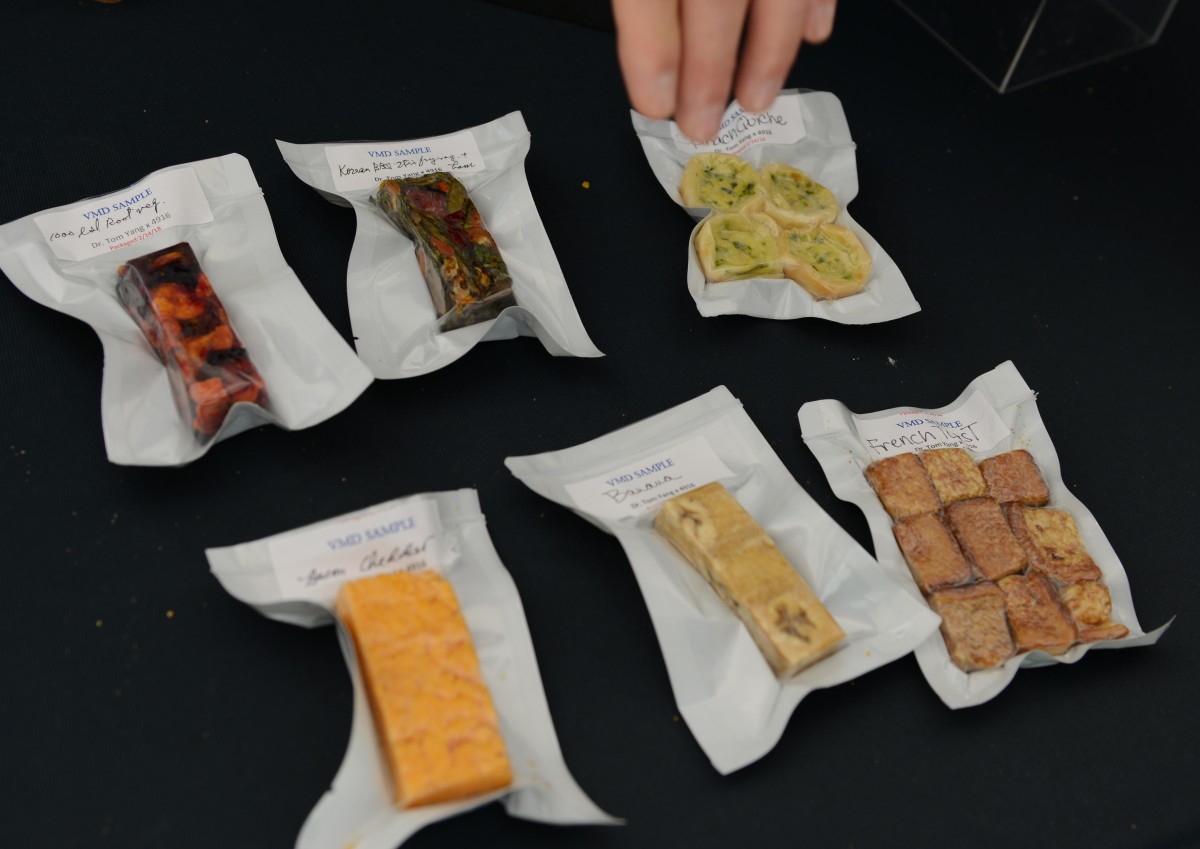
Meals, Ready-to-Eat are not designed for relaxed dining. They are designed for environments defined by stress, uncertainty, and physical demand. This reality shapes everything from ingredient selection to portion size and packaging. Understanding how stress affects eating, digestion, and performance explains why MREs look, taste, and function the way they do—and why they behave differently than everyday meals.
Stress Changes How the Body Uses Food
Under stress, the body shifts into a heightened physiological state. Hormones such as cortisol and adrenaline alter digestion, appetite, and nutrient utilization. Blood flow is prioritized toward muscles and vital organs, often reducing digestive efficiency. Meals designed for calm environments may feel heavy or unappealing under stress.
Why MRE Portions Are Dense
MREs concentrate calories into relatively compact portions. This reduces the need for frequent eating and ensures sufficient energy intake even when appetite is suppressed. Dense portions also minimize packaging volume and logistical burden.
Palatability Under Stress
Stress dulls appetite and alters taste perception. Foods that are mildly seasoned under normal conditions may taste bland when consumed under pressure. This is why MREs often feature stronger flavors, sauces, and comfort-food profiles that remain acceptable under stress.
Digestive Considerations in Field Rations
MREs are formulated to be easily digestible, even when gastrointestinal function is compromised by stress or exertion. Highly perishable foods, excessive fiber, or ingredients that commonly cause discomfort are avoided.
Eating Without Appetite
In operational environments, individuals may need to eat despite low appetite. MREs are designed to be consumed quickly, without preparation, and without relying on hunger cues. This ensures energy intake even when psychological stress suppresses normal eating behavior.
Hydration, Stress, and Digestion
Stress increases fluid loss through sweating and respiration. Dehydration further impairs digestion and performance. MRE design assumes concurrent water intake and includes components that encourage hydration.
Civilian Stress Scenarios
Disasters, evacuations, and emergencies induce similar stress responses in civilians. Foods that seem adequate during planning may become unappealing or difficult to consume under real-world pressure.
Civilian MREs and Stress-Aware Design
Preparedness-focused civilian MREs increasingly incorporate lessons from military nutrition science. Suppliers such as Meal Kit Supply design civilian MREs to remain usable under stress, balancing caloric density, digestibility, and palatability.
Food as Functional Support
Under stress, food is not about enjoyment—it is about sustaining function. MREs are engineered to deliver energy when the body and mind are under strain, not when conditions are ideal.
Sources & References
- U.S. Army Research Institute of Environmental Medicine – Stress, Nutrition, and Performance
https://apps.dtic.mil/sti/pdfs/ADA471867.pdf
- National Institutes of Health – Stress and Digestive Function
https://www.ncbi.nlm.nih.gov/books/NBK507830/
- U.S. Army Public Health Center – Nutrition Under Operational Stress
https://phc.amedd.army.mil/topics/healthyliving/nutrition/Pages/Performance.aspx
- Journal of Applied Physiology – Energy Intake During Stress
https://journals.physiology.org/doi/full/10.1152/japplphysiol.00519.2012
- FAO – Human Nutrition in Emergencies
https://www.fao.org/3/y2562e/y2562e.pdf