



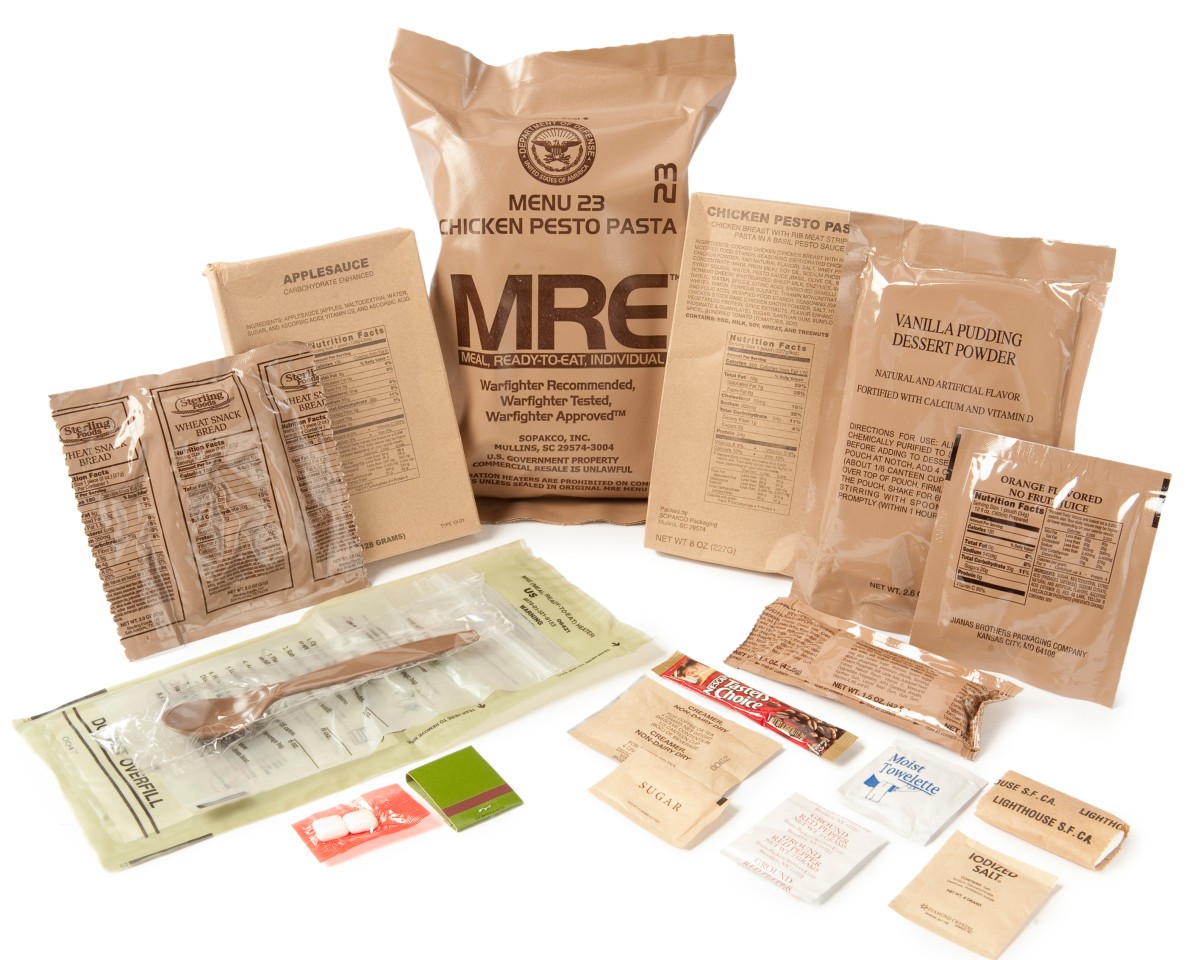
As awareness of food allergies and dietary restrictions has increased, questions about how Meals, Ready-to-Eat accommodate these needs have become more common. Many people assume that military MREs are designed to be universally safe for all eaters. In reality, MREs are designed to feed large populations efficiently—not to meet individual dietary requirements.
Understanding how allergens and special dietary needs are handled in MREs requires a clear look at the constraints under which these meals are designed and distributed.
The Primary Design Goal: Feeding the Majority
Military MREs are engineered to meet the nutritional needs of the average service member under demanding conditions. Their design prioritizes calorie density, shelf stability, and mass distribution. This approach inherently limits customization. Producing individualized meals for a wide range of allergies or dietary preferences would dramatically increase logistical complexity.
Common Allergens in MRE Components
Because MREs rely on processed, shelf-stable foods, they frequently include common allergens. These may include:
- Wheat (in breads, pastas, sauces)
- Dairy (cheese spreads, desserts, sauces)
- Soy (textured proteins, sauces)
- Nuts (occasionally in desserts or spreads)
While allergen information may be available at the component level, military MRE labeling is not designed for consumer allergen avoidance.
Why Military MREs Are Not “Allergen-Free”
Producing allergen-free meals at scale would require segregated manufacturing lines, specialized sourcing, and parallel inventory systems. For a military logistics operation feeding millions of meals annually, this level of customization is impractical. As a result, individuals with severe allergies are typically issued alternative rations through separate medical or logistical channels rather than standard MREs.
Religious and Ethical Dietary Constraints
Military food systems have historically made limited accommodations for religious or ethical diets, such as vegetarian options. However, these accommodations are constrained by shelf-life performance and acceptance testing. Not all dietary categories translate well to long-term retort processing.
Why Ingredient Transparency Is Limited
Military MRE packaging emphasizes logistics information rather than consumer clarity. Ingredient lists may be abbreviated, component-specific, or inaccessible without reference materials. This lack of transparency reinforces why military MREs are unsuitable for civilian resale, particularly for individuals managing allergies.
Civilian MREs and Consumer Labeling
Civilian MREs operate under consumer food regulations that require clear ingredient and allergen labeling. This transparency allows individuals to make informed decisions based on personal health needs.
Preparedness-focused suppliers such as Meal Kit Supply design civilian MREs with full ingredient disclosure and allergen awareness appropriate for household use.
Preparedness Planning for Special Diets
Individuals with allergies or dietary restrictions must plan deliberately. Relying on generic emergency food can introduce serious health risks.
Effective preparedness includes:
- Reading and verifying ingredient lists
- Storing foods compatible with medical needs
- Avoiding unlabeled or ambiguous food sources
Why MREs Are Not One-Size-Fits-All
MREs are tools designed for scale, durability, and reliability—not personalization. Understanding their limitations allows both military and civilian users to deploy them appropriately and safely.
Sources & References
- U.S. Army Public Health Center – Food Allergy Risk Management
https://phc.amedd.army.mil/topics/foodwater/Pages/FoodAllergies.aspx
- FDA – Food Allergens and Labeling Requirements
https://www.fda.gov/food/food-labeling-nutrition/food-allergies
- Institute of Food Technologists – Managing Allergens in Food Manufacturing
https://www.ift.org/news-and-publications/food-technology-magazine/issues/2019/september/features/allergen-management
- U.S. Department of Defense – Military Nutrition and Medical Feeding Guidance
https://health.mil/Military-Health-Topics/Total-Force-Fitness/Nutrition
- Food Allergy Research & Education (FARE) – Emergency Food Planning
https://www.foodallergy.org/resources/emergency-preparedness