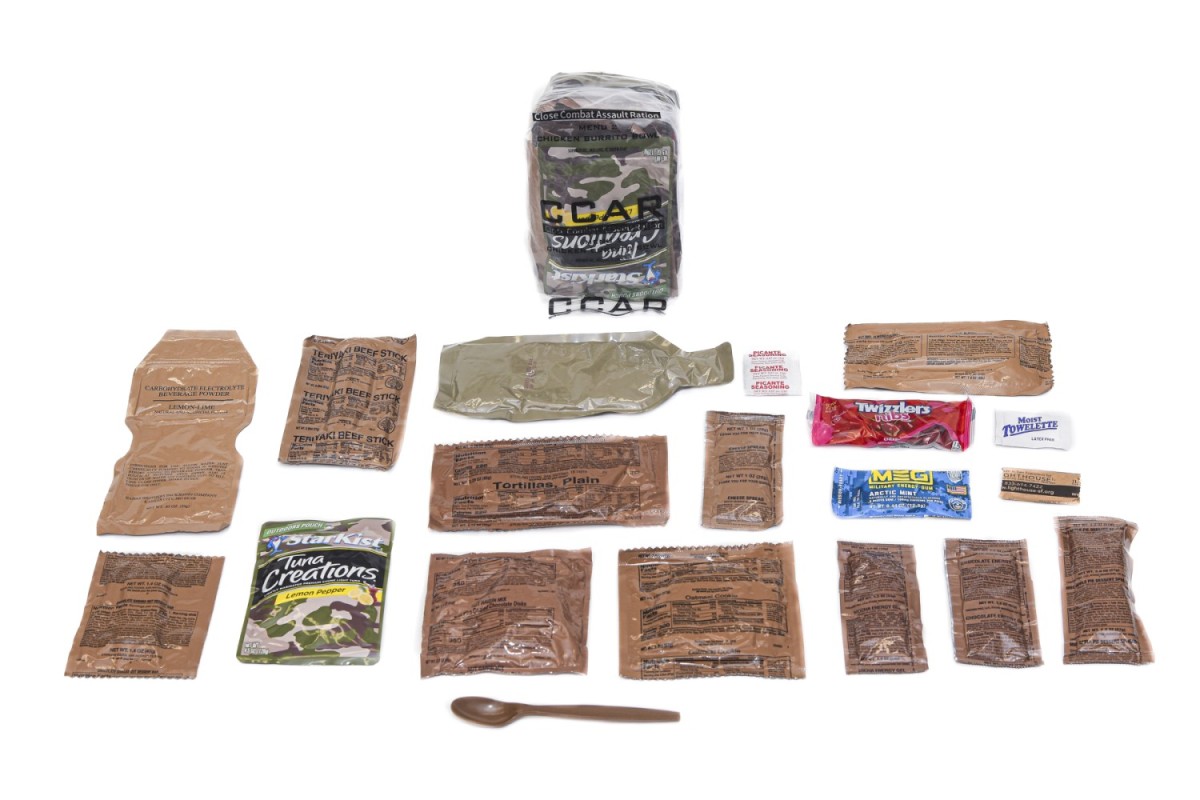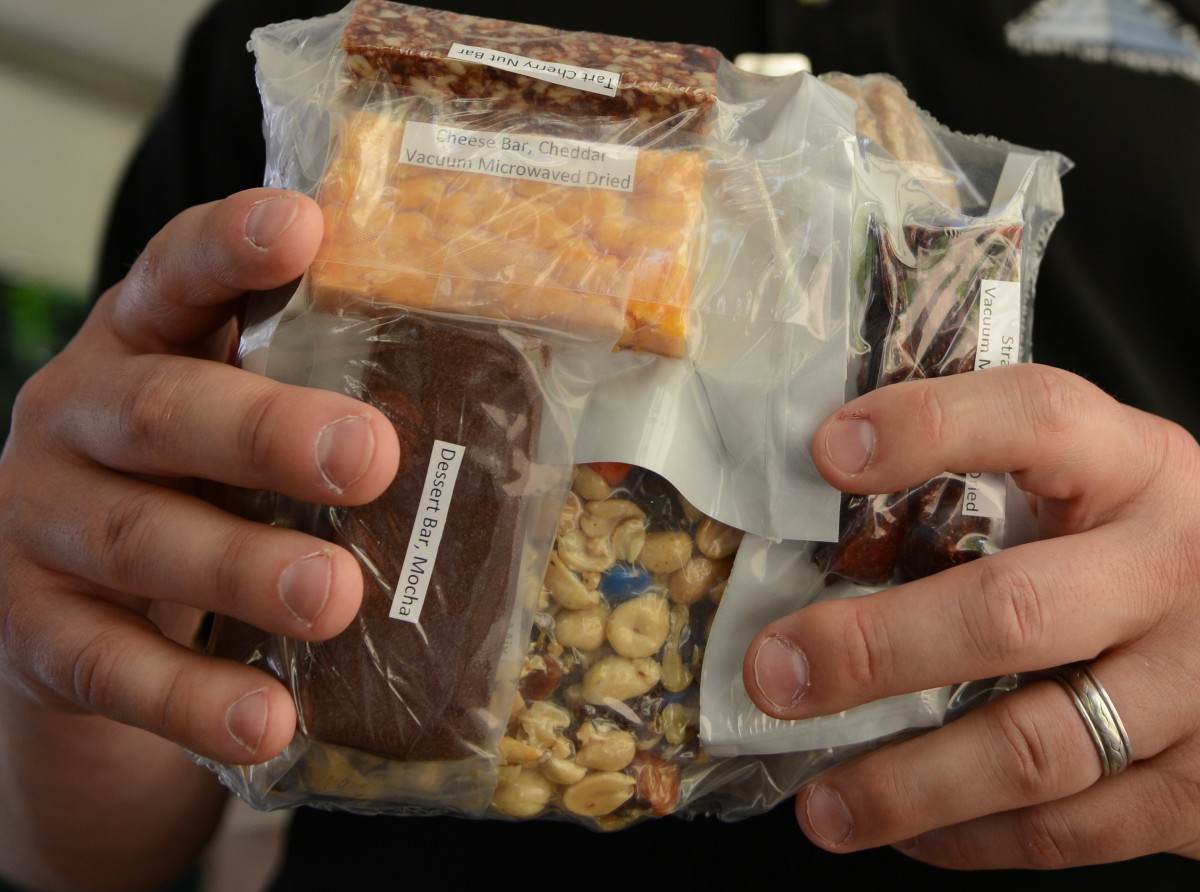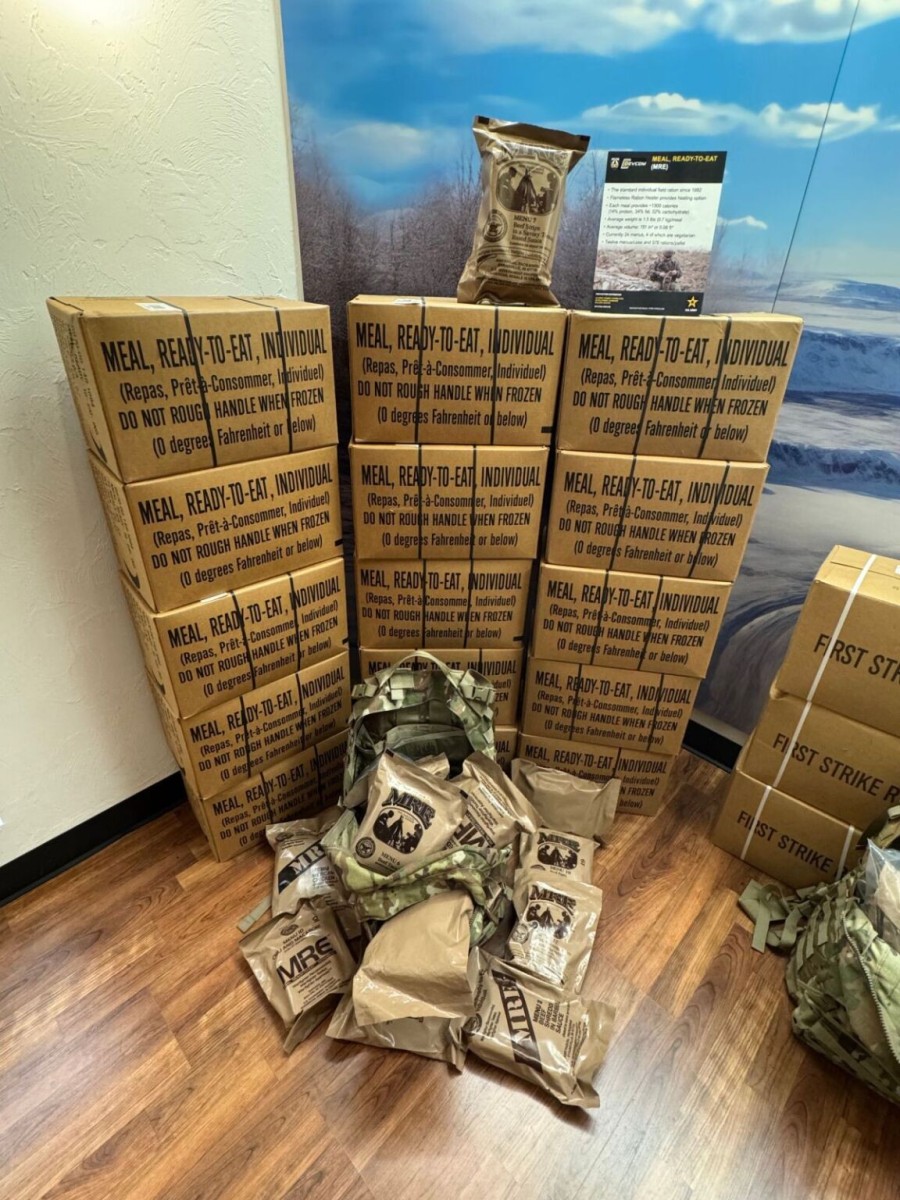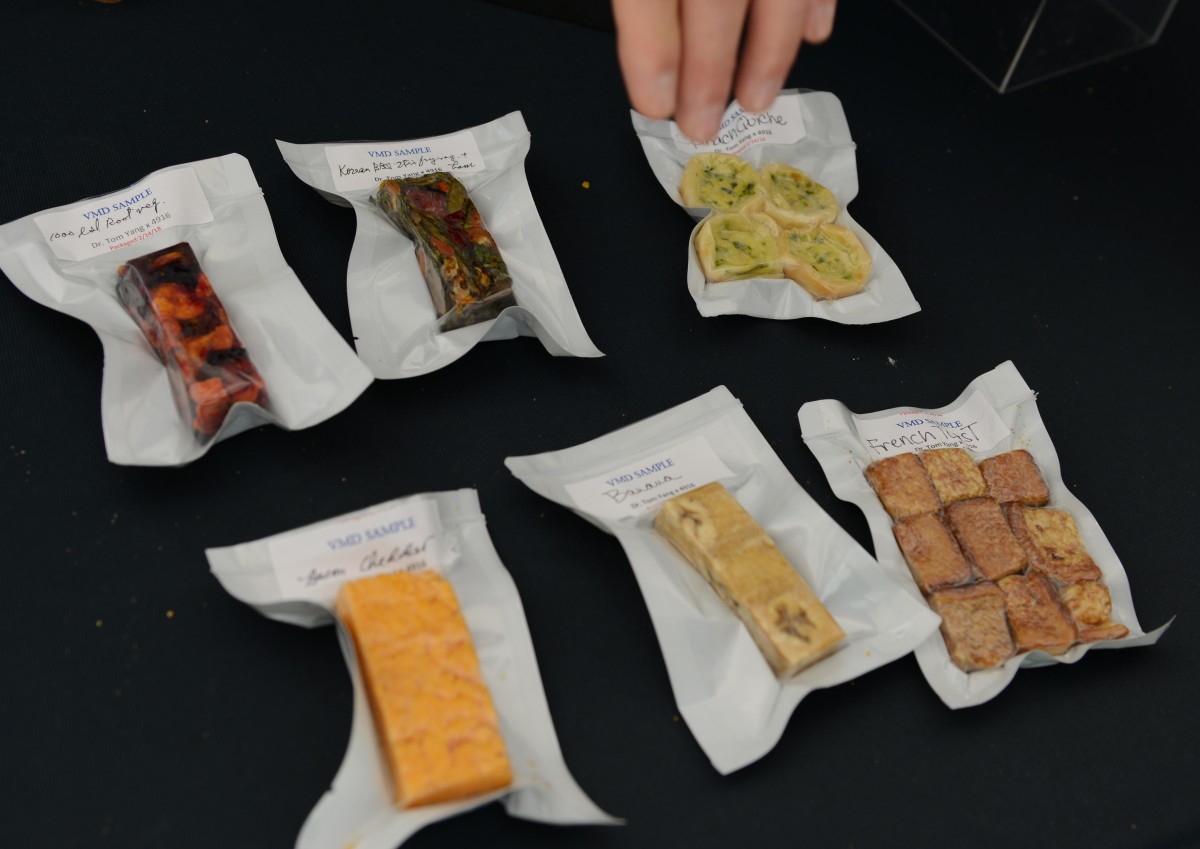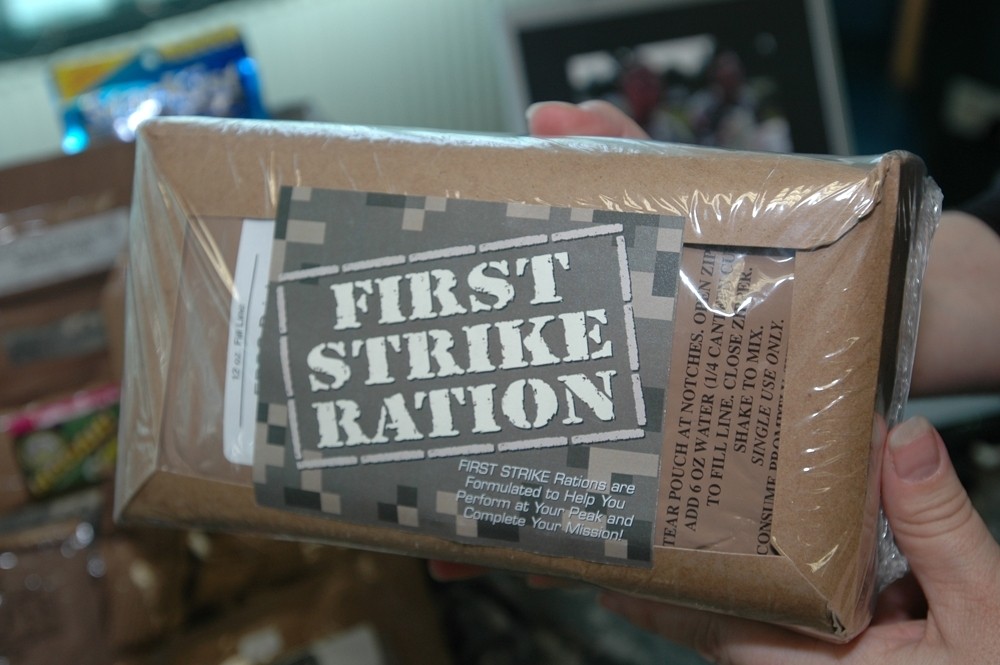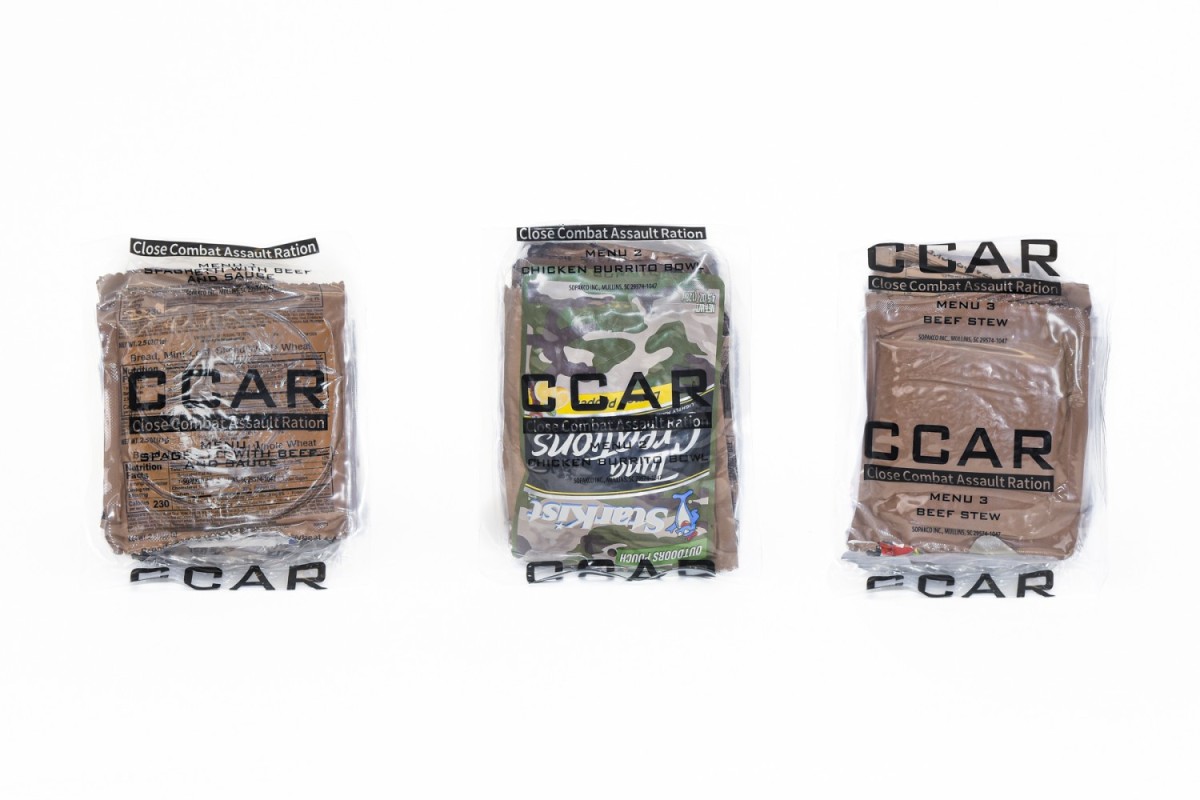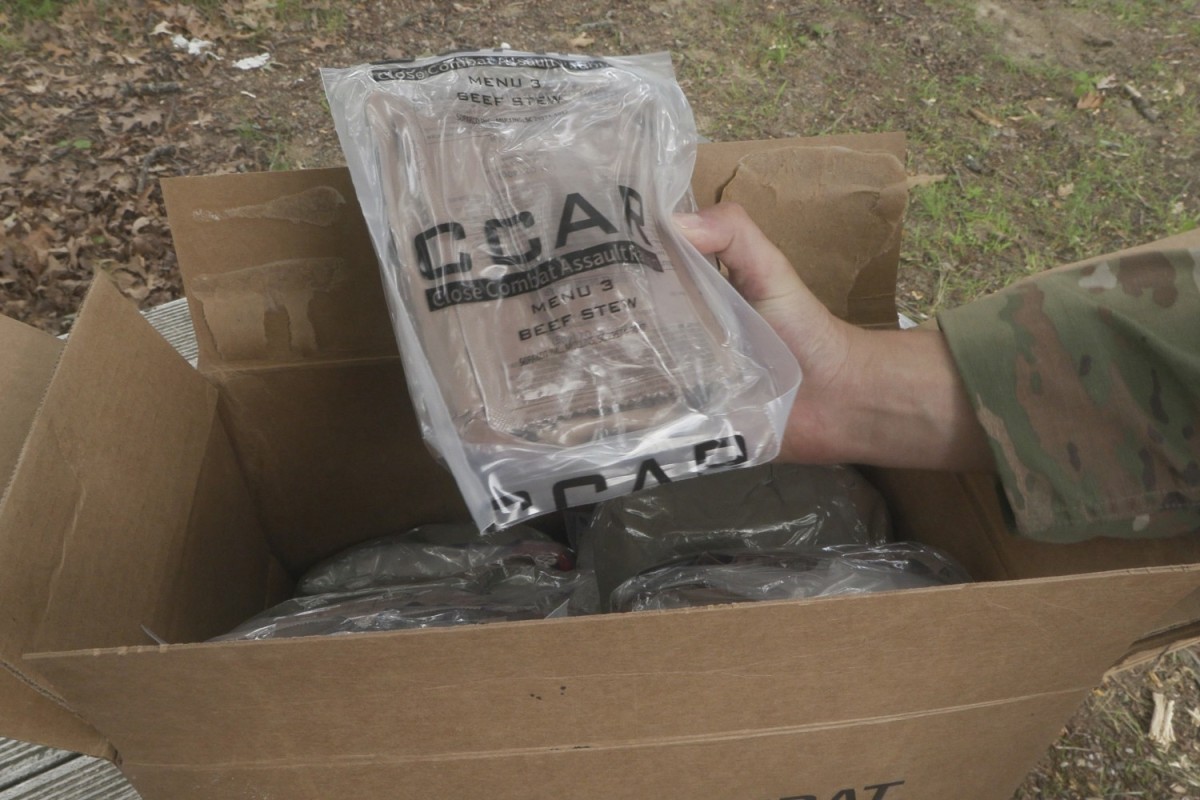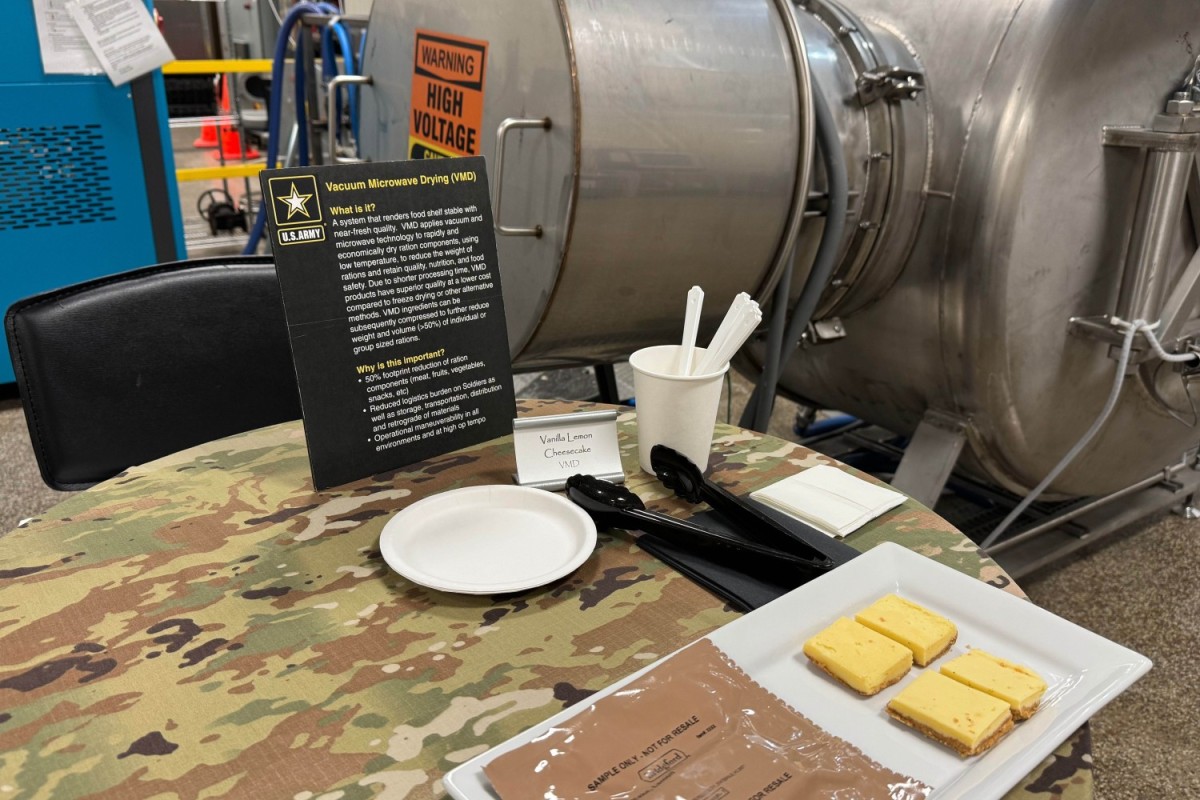



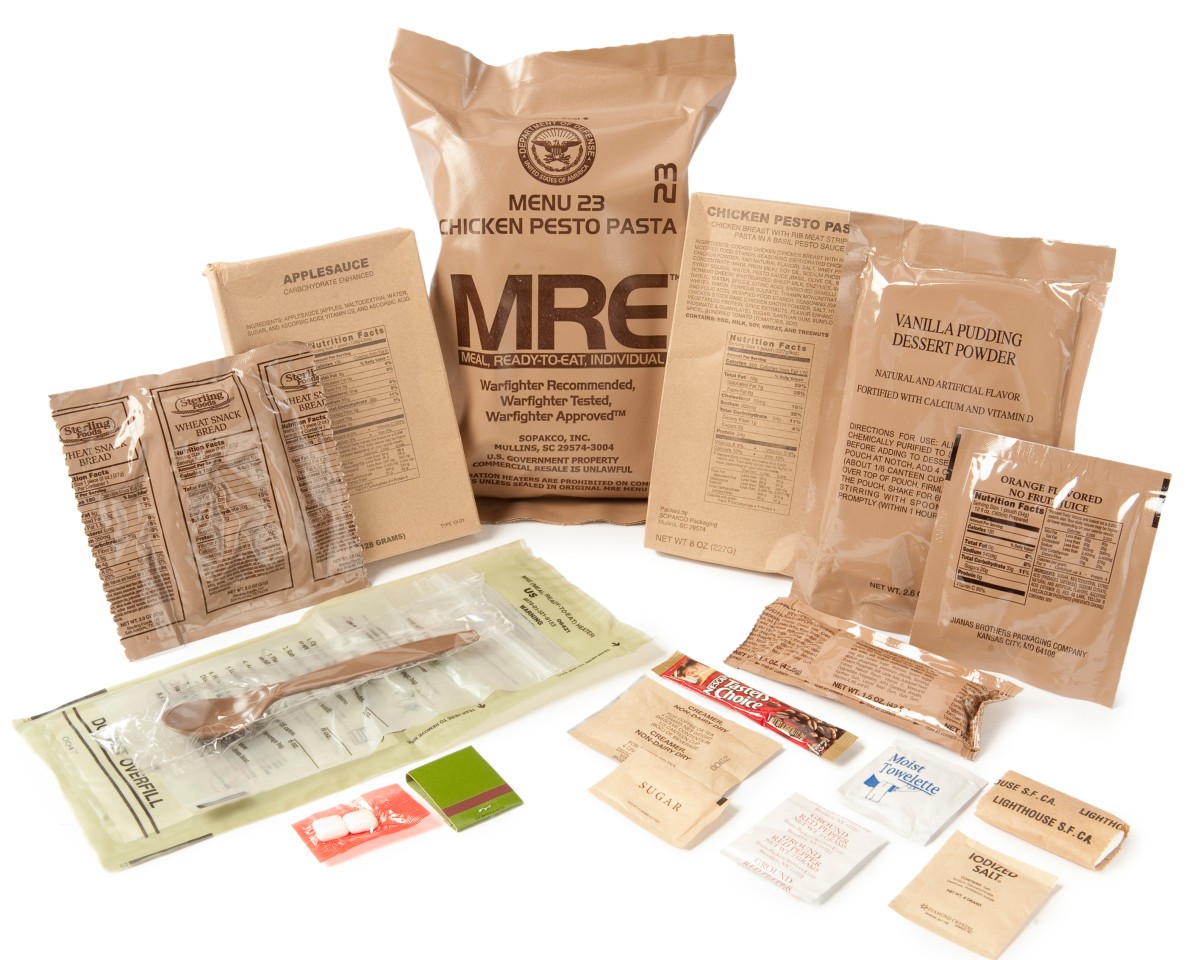
The idea of a shelf-stable, self-contained meal did not originate with civilians. Modern MREs were developed to solve a military problem: how to feed people reliably when kitchens, fuel, and infrastructure are unavailable. Yet today, civilian MREs are widely used for emergency preparedness, disaster response, and remote work.
This raises an important question: if military MREs already exist, why did a civilian version need to be created at all?
The answer lies in the fundamental differences between military logistics and civilian life.
Military Rations Serve a Closed System
Military MREs exist inside a closed, tightly controlled logistics environment. They are produced, stored, issued, recovered, and destroyed under government authority. The system assumes centralized control, trained users, and documented storage conditions. Ownership never transfers to individuals. This design works for military operations—but it does not translate to civilian use.
Civilians Operate Without Institutional Support
Households and organizations do not have logistics officers, inspection programs, or recovery systems. Civilian food must be designed for unsupervised storage, clear labeling, and lawful ownership. This alone makes military MREs unsuitable for civilian preparedness.
Legal Ownership Is Non-Negotiable
Military MREs remain government property until consumed or destroyed. This legal reality makes civilian resale problematic regardless of condition. Civilian MREs exist specifically to avoid this ambiguity. They are produced for commercial sale, owned by the purchaser, and regulated under consumer food laws.
Transparency and Consumer Information
Military packaging prioritizes logistics data over consumer clarity. Ingredient lists, allergen information, and shelf-life guidance are limited or indirect. Civilian MREs must meet labeling standards that allow consumers to make informed decisions about storage, use, and safety.
Designing for Real Homes, Not Supply Depots
Military storage facilities are climate-controlled and monitored. Homes are not. Civilian MREs are designed to tolerate a wider range of storage conditions while providing conservative guidance that reflects real-world variability.
Psychology and Preparedness
Civilian emergencies differ from military operations in duration and psychological context. Preparedness food must support morale, routine, and long-term usability—not just immediate survival. Menu variety, palatability, and ease of use matter more when food is consumed over weeks rather than days.
Why Civilian MREs Are Not “Military Knockoffs”
Civilian MREs borrow concepts from military ration science but are not copies. They represent a translation of durability, shelf stability, and readiness into a framework that works for private ownership.
Preparedness Without Dependency
A resilient civilian preparedness system does not rely on military supply. It relies on food designed from the outset for households, communities, and organizations. Suppliers such as Meal Kit Supply exist to bridge this gap—bringing readiness principles into civilian life without legal or logistical conflict.
Why This Distinction Matters
Confusing military and civilian MREs leads to poor decisions, legal risk, and unreliable preparedness. Understanding why civilian MREs exist clarifies how preparedness should be built: intentionally, lawfully, and realistically.
From Battlefield Lessons to Civilian Resilience
Civilian MREs are not imitations of military food. They are the result of decades of hard-earned lessons applied to a different world. Preparedness works best when tools are designed for the people who will actually use them.
Sources & References
- Defense Logistics Agency – Operational Rations and Subsistence
https://www.dla.mil/TroopSupport/Subsistence/
- U.S. Army Natick Soldier Systems Center – History of Operational Rations
https://www.natick.army.mil/About/History/
- FEMA – Community Preparedness and Resilience
https://www.ready.gov/community-preparedness
- FDA – Food Labeling and Consumer Protection
https://www.fda.gov/food/food-labeling-nutrition
- FAO – Emergency Food Systems and Civilian Resilience
https://www.fao.org/emergencies/what-we-do/emergency-food-security/en/