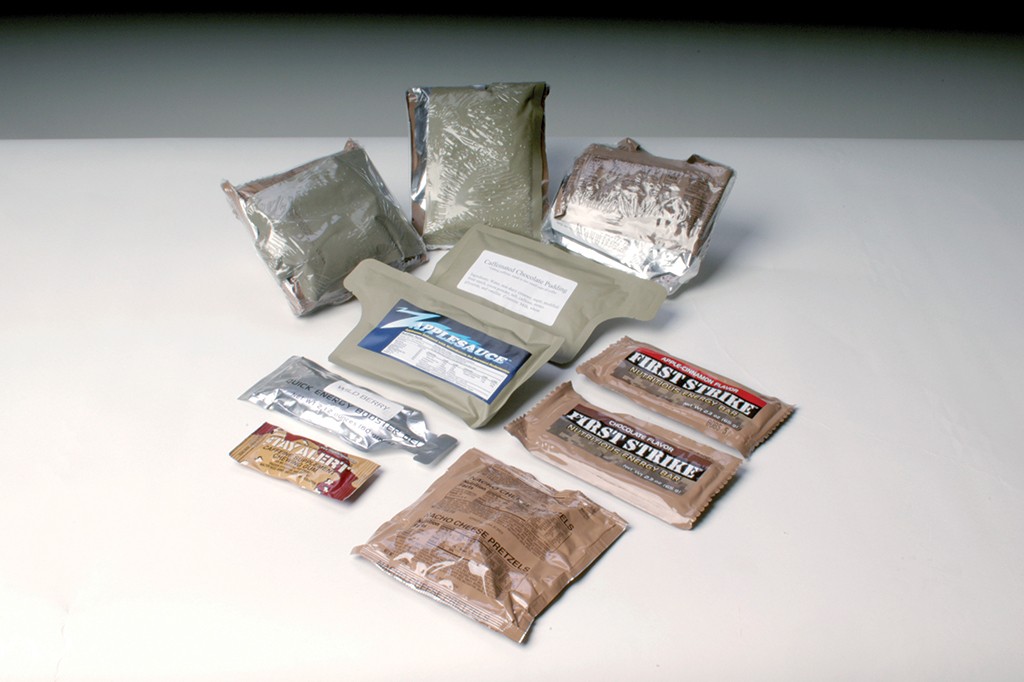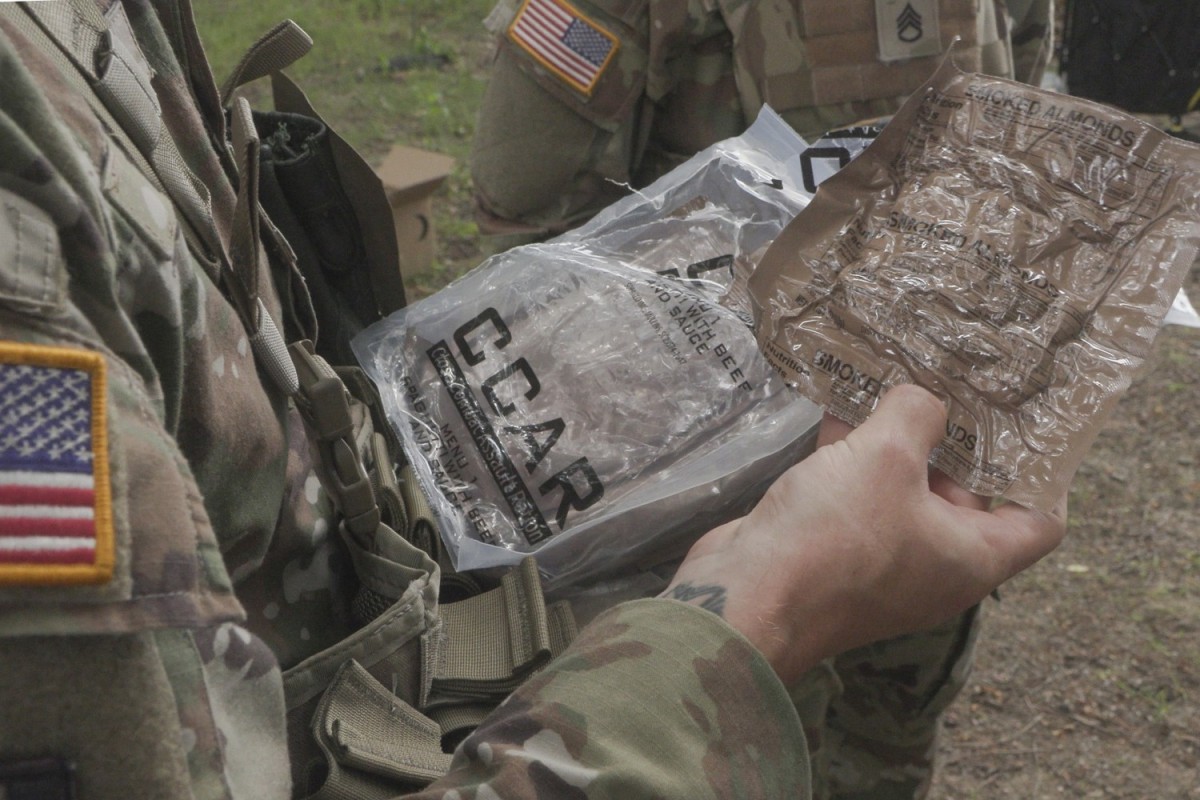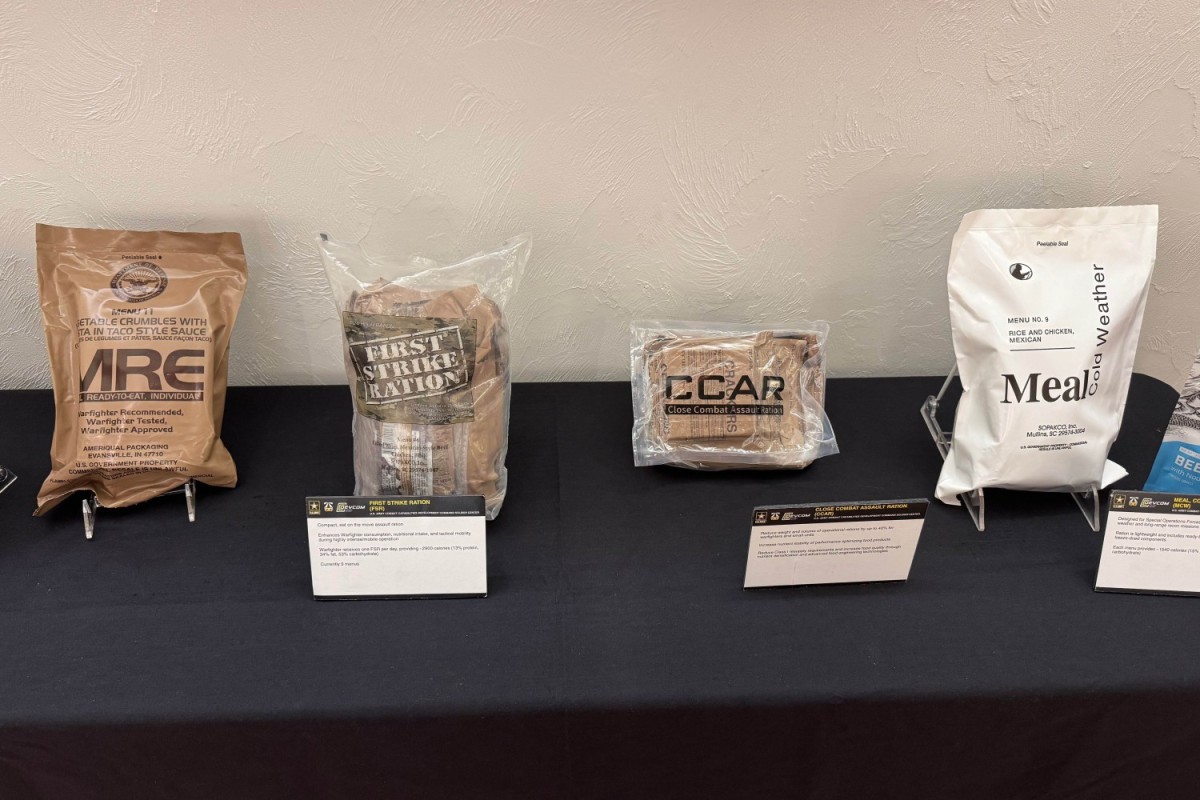


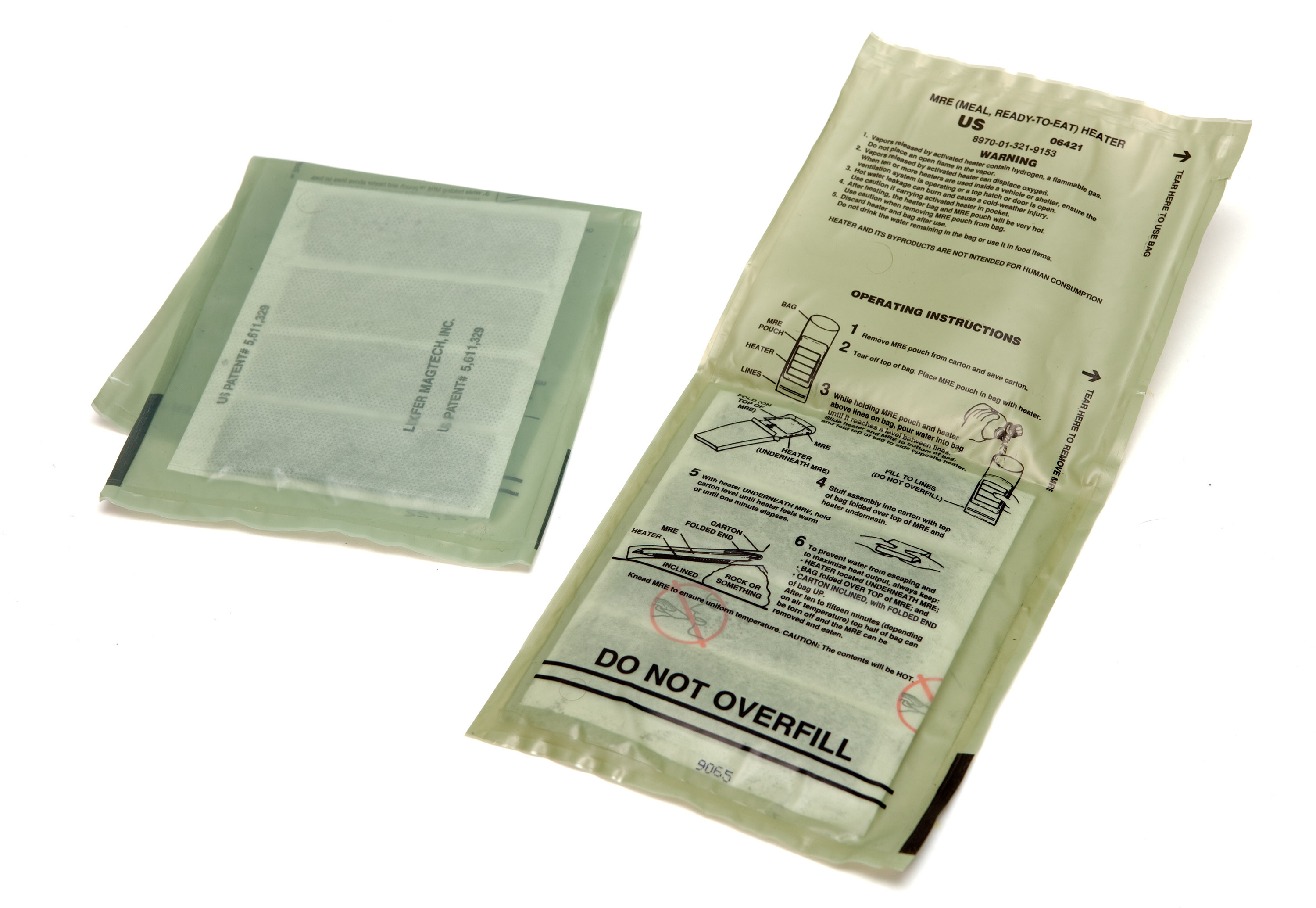
One of the most distinctive components of a Meal, Ready-to-Eat is the flameless ration heater. Often treated as a novelty, the heater is in fact a carefully engineered solution to a specific operational problem: how to warm food in environments where fire, fuel, or electricity cannot be safely used.
Flameless ration heaters allow MREs to be heated quietly, discreetly, and independently of external energy sources. Understanding how they work—and their limitations—reveals much about the environments MREs are designed to serve.
Why Traditional Heating Methods Are Not Always Viable
In many military and disaster scenarios, open flames pose serious risks. Fire can reveal positions, create safety hazards, or simply be impractical due to weather or terrain.
Additionally, carrying fuel or cooking equipment increases weight and logistical complexity. Flameless heating eliminates these dependencies entirely.
The Chemical Principle Behind Flameless Heating
Flameless ration heaters rely on an exothermic chemical reaction. Most heaters contain a magnesium alloy combined with iron and salt.
When a small amount of water is added, the mixture reacts, producing heat without combustion. The reaction generates steam and warms the entrée pouch placed alongside it.
No flame is produced, and no external ignition source is required.
Activation and Use in the Field
To activate a flameless heater, the user adds water—clean or contaminated—to the heater sleeve. The reaction begins immediately.
The entrée is then placed in contact with the heater, and the package is folded to retain heat. Warming typically takes 10 to 15 minutes.
Because the reaction produces hydrogen gas, heaters are designed for outdoor or well-ventilated use.
Water Requirements and Trade-Offs
While flameless heaters eliminate the need for fuel, they still require water. In arid environments, users must decide whether warming a meal justifies the water expenditure.
As a result, MREs are fully cooked and safe to eat cold. Heating is a comfort feature, not a requirement.
Performance Limitations
Flameless heaters are not designed to boil food or maintain long-term heat. Their purpose is to raise food temperature to a more palatable range.
Environmental factors such as ambient temperature, wind, and water volume affect heater performance.
Safety Considerations
Because flameless heaters generate hydrogen gas, they should never be used inside enclosed spaces such as vehicles or tents without ventilation.
Improper disposal of activated heaters can also pose burn risks if handled prematurely.
Civilian Applications and Alternatives
Civilian MREs may include flameless heaters or rely on alternative heating methods depending on intended use.
For many civilian preparedness scenarios, cold consumption or external heat sources may be more practical.
Suppliers such as Meal Kit Supply offer civilian MRE options that function with or without flameless heaters, allowing users to choose based on their preparedness strategy.
Heating as a Morale Multiplier
While not essential for nutrition, warm food can significantly improve morale during stressful conditions.
Flameless heaters represent a trade-off between simplicity, safety, and comfort—one that aligns with the realities of operational environments.
Sources & References
- U.S. Army Natick Soldier Systems Center – Flameless Ration Heater Technology
https://apps.dtic.mil/sti/pdfs/ADA301521.pdf
- Defense Technical Information Center – Exothermic Heating Reactions in Field Rations
https://apps.dtic.mil/sti/citations/ADA284428
- U.S. Army Public Health Center – Flameless Heater Safety Guidance
https://phc.amedd.army.mil/topics/foodwater/Pages/FieldFeeding.aspx
- Institute of Food Technologists – Heating Technologies for Shelf-Stable Foods
https://www.ift.org/news-and-publications/food-technology-magazine/issues/2016/may/features/heating-technologies
- Occupational Safety and Health Administration – Hydrogen Gas Safety
https://www.osha.gov/hydrogen